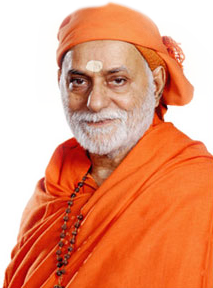








For decades now, Poojya Swamiji has been expounding the significance of Vishnu sahasranama and the supreme place it has in our culture and tradition.
Poojya Swamiji says, “chanting of Vishnu sahasranama has the effect of penetrating our inner personality, instilling purity, expansion and enlightenment. It also gives relief from all fear, stress and sorrow, leading to peace as well as contentment. It also imbues the ability, strength and sustenance to pursue any effort with resolve and achieve the destined fruition. A sense of inner enrichment and abundance is inevitable for those given to regular Vishnu sahasranama recitation.”
To further reinforce the values enshrined in Vishnu sahasranama, Poojya Swamiji has given the meaning to each of these 1000 names. We will bring out these, a few names every day, to help us ruminate over and inculcate these values and make them an integral part of our personality.
“As you get used to recitation, the mind begins to contemplate upon the meaning and message of each word. Each epithet has its own quality and excellence to instill, which in turn enhances the skill and ability of the mind”, says Poojya Swamiji.
Ennumerated below are the thousand names with their meanings:
| विष्णुसहस्त्रनाम Vishnu sahasranama (thousand names of Lord Vishnu) | |
| 1. | विश्वम् (viśvam) = the Universe itself |
| 2. | विष्णु: (vishnuh) = the brilliance permeating everywhere |
| 3. | वषट्कारः (vashatkārah) = the deity contemplated in sacrifice |
| 4. | भूतभव्यभवत्प्रभुः (bhūta-bhavya-bhavat-prabhuh) = the Lord of past, present and future |
| 5. | भूतकृत् (bhūtakrit) = cause of immobile and mobile existences |
| 6. | भूतभृत् (bhūtabrit) = sustainer of all beings |
| 7. | भावः (bhāvah) = everything that is manifest |
| 8. | भूतात्मा (bhūtātmā) = the soul of whatever is, the manifest |
| 9. | भूतभावनः (bhūtabhāvanah) = nurturer of all beings |
| 10. | पूतात्मा (pūtātmā) = the soul pure and serene |
| 11. | परमात्मा (paramātmā) = the supreme soul |
| 12. | मुक्तानां परमा गतिः (muktānām paramā gatih) = the ultimate abode of all the liberated |
| 13. | अव्ययः (avyayah) = devoid of decline and destruction, wear and tear |
| 14. | पुरुषः (purushah) = the Supreme Person |
| 15. | साक्षी (sākshī) = the sole witness |
| 16. | क्षेत्रज्ञ: (kshetrajňah) = knower of the body as well as the world alike |
| 17. | अक्षरः (aksharah) = indestructible, deathless |
| 18. | योगः (yogah) = the art and process of union, unification |
| 19. | योगविदां नेता (yogavidām netā) = he who leads all knowers of yoga |
| 20. | प्रधानपुरुषेश्वरः (pradhānapurusheśwarah) = the lord of nature as well as all persons |
| 21. | नारसिंहवपुः (nārasimhavapuh) = one with a human-lion body |
| 22. | श्रीमान् (śrīmān) = one in whom sree (wellbeing) reigns |
| 23. | केशवः (keśavah) = served by Vishnu, Siva and Brahma, with beautiful hair |
| 24. | पुरुषोत्तमः (purushottamah) = the most exalted indweller |
| 25. | सर्वः (sarvah) = all |
| 26. | शर्वः (śarvah) = destroys everything at the time of deluge |
| 27. | शिवः (śivah) = auspicious |
| 28. | स्थाणुः (sthānuh) = stable, unwavering |
| 29. | भूतादिः (bhūtādih) = the source of all existence |
| 30. | अव्ययःनिधिः (avyayah nidhih) = treasure inexhaustible |
| 31. | संभवः (sambhavah) = born of His own will |
| 32. | भावनः (bhāvanah) = the giver of everything |
| 33. | भर्ता (bhartā) = the administrator, protector |
| 34. | प्रभवः (prabhavah) = from whom all existences originate |
| 35. | प्रभुः (prabhuh) = the supreme Lord of the Universe |
| 36. | ईश्वरः (īśvarah) = controller of all |
| 37. | स्वयंभूः (svayambhūh) = self-born presence |
| 38. | शम्भुः (śambhuh) = giver of happiness |
| 39. | आदित्यः (ādityah) = illumining everything |
| 40. | पुष्कराक्षः (pushkarākshah) = lotus eyed |
| 41. | महास्वनः (mahāsvanah) = source of the great voice |
| 42. | अनादिनिधनः (anādinidhanah) = having neither beginning nor end, extinction |
| 43. | धाता (dhātā) = sustainer of everything |
| 44. | विधाता (vidhātā) = inducer of all actions and bestower of all outcomes |
| 45. | धातुरुत्तमः (dhāturuttamah) = the supreme support |
| 46. | अप्रमेयः (aprameyah) = immeasurable |
| 47. | हृषीकेशः (hrishīkeśah) = controls all his five senses |
| 48. | पद्मनाभः (padmanābhah) = with lotus in his umbilicus |
| 49. | अमरप्रभुः (amaraprabhuh) = the Lord imperishable |
| 50. | विश्वकर्मा (viśvakarmā) = the architect of the universe |
| 51. | मनुः (manuh) = always reflecting upon everything |
| 52. | त्वष्टा (tvashtā) = who rarefies and diminishes everything |
| 53. | स्थविष्ठः (sthavishthah) = exceedingly gross |
| 54. | स्थविरःध्रुवः (sthavirah dhruvah) = ancient and eternal |
| 55. | अग्राह्यः (agrāhyah) = not graspable to senses |
| 56. | शाश्वतः (śāśvatah) = the ever present, everlasting |
| 57. | कृष्ण: (krishnah) = black |
| 58. | लोहिताक्षः (lohitākshah) = with red-tinged eyes |
| 59. | प्रतर्दनः (pratardanah) = annihilating everything in the end |
| 60. | प्रभूतः (prabhūtah) = distinguished for wealth and knowledge |
| 61. | त्रिककुब्धाम (trikakubdhāma) = dwelling above, below and in between |
| 62. | पवित्रम् (pavitram) = pure, making others pure |
| 63. | मङ्गलं परम् (mangalam param) = supreme felicity |
| 64. | ईशानः (īśānah) = ruler of everything |
| 65. | प्राणदः (prānadah) = giver of or source of beings |
| 66. | प्राणः (prānah) = the soul of giving births |
| 67. | ज्येष्ठः (jyeshthah) = elder to all others |
| 68. | श्रेष्ठः (śreshthah) = best of all |
| 69. | प्रजापतिः (prajāpatih) = the Lord of all human beings |
| 70. | हिरण्यगर्भः (hiranyagarbhah) = the cosmic abode, the source of the world |
| 71. | भूगर्भः (bhūgarbhah) = womb of everything |
| 72. | माधवः (mādhavah) = the consort of Lakshmi |
| 73. | मधुसूदनः (madhusūdanah) = killer of demon Madhu |
| 74. | ईश्वरः (īśvarah) = supremely strong |
| 75. | विक्रमी (vikramī) = valorous |
| 76. | धन्वी (dhanvī) = the supreme archer |
| 77. | मेधावी (medhāvī) = supremely intelligent |
| 78. | विक्रमः (vikramah) = skilled in outshining the world |
| 79. | क्रमः (kramah) = source of all orderliness |
| 80. | अनुत्तमः (anuttamah) = superbest, unexcellable |
| 81. | दुराधर्षः (durādharshah) = impossible to be subdued or conquered |
| 82. | कृतज्ञः (kritajňah) = knower of all deeds |
| 83. | कृतिः (kritih) = all self-effort and its outcome |
| 84. | आत्मवान् (ātmavān) = resting on His own greatness and potential |
| 85. | सुरेशः (sureśah) = the lord of all Devas |
| 86. | शरणम् (śaranam) = refuge for one and all |
| 87. | शर्म (śarma) = supremely blissful |
| 88. | विश्वरेताः (viśvaretāh) = the seminal seed of universe |
| 89. | प्रजाभवः (prajābhavah) = source of all humans |
| 90. | अहः (ahah) = the day, its brilliance |
| 91. | संवत्सरः (samvatsarah) = also the year |
| 92. | व्यालः (vyālah) = uncapturable like the serpent |
| 93. | प्रत्ययः (pratyayah) = idea, cognition, implying the cognitional entity |
| 94. | सर्वदर्शनः (sarvadarśanah) = seer of one and all |
| 95. | अजः (ajah) = unborn, birthless |
| 96. | सर्वेश्वरः (sarveśvarah) = God of one and all |
| 97. | सिद्धः (siddhah) = established in His own nature |
| 98. | सिद्धिः (siddhih) = the one fruition of everything |
| 99. | सर्वादि: (sarvādih) = the beginning of al |
| 100. | अच्युतः (achyutah) = free from fall, decline |
| 101. | वृषाकपि: (vrishākapih) = Varaha, the personification of dharma |
| 102. | अमेयात्मा (ameyātmā) = whose essential nature is immeasurable |
| 103. | सर्वयोगविनिःसृतः (sarvayogavinihsritah) = liberated from all kinds of bondage |
| 104. | वसु: (vasuh) = indweller of all |
| 105. | वसुमनाः (vasumanāh) = possessing benevolent mind |
| 106. | सत्यः (satyah) = truth |
| 107. | समात्मा (samātmā) = with equal vision |
| 108. | असम्मितः (asammitah) = immeasurable |
| 109. | समः (samah) = of equal vision |
| 110. | अमोघः (amoghah) = worshipping whom will never be futile |
| 111. | पुण्डरीकाक्षः (pundarīkākshah) = lotus eyed |
| 112. | वृषकर्मा (vrishakarmā) = whose actions are propelled by Dharma |
| 113. | वृषाकृतिः (vrishākritih) = given to uphold Dharma |
| 114. | रुद्रः (rudrah) = redresser of grief |
| 115. | बहुशिरा: (bahushirāh) = with many heads |
| 116. | बभ्रुः (babhruh) = carries the worlds |
| 117. | विश्वयोनिः (viśvayonih) = the womb of the very universe |
| 118. | शुचिश्रवाः (śuchiśravāh) = with pure fame |
| 119. | अमृतः (amritah) = undying |
| 120. | शाश्वतस्थाणु: (śāśvatasthanuh) = perennially stable |
| 121. | वरारोह: (varārohah) = not sending back those who attain Him (the most covetable abode) |
| 122 | महातपाः (mahātapāh) = extremely knowledgeable (with amazing austerity) |
| 123. | सर्वगः (sarvagah) = reaching everywhere |
| 124. | सर्वविद्भानुः (sarvavidbhānuh) = with all knowing brilliance |
| 125. | विष्वक्सेनः (vishvaksenah) = attacks bad things from everywhere |
| 126. | जनार्दनः (janārdanah) = tormenting the wicked and vicious |
| 127. | वेदः (vedah) = the Vedas |
| 128. | वेदवित् (vedavit) = knower of the Vedas |
| 129. | अव्यङ्गः (avyangah) = beyond the reach of senses or other parts of our being |
| 130. | वेदाङ्गः (vedāngah) = having the vedas as his body |
| 131. | वेदवित् (vedavit) = knowing the real purport of Vedas |
| 132. | कविः (kavih) = with poetic insight, all knowing |
| 133. | लोकाध्यक्षः (lokādhyakshah) = president of the entire worlds |
| 134. | सुराध्यक्षः (surādhyakshah) = president of the heavenly denizens |
| 135. | धर्माध्यक्षः (dharmādhyakshah) = president of the entire dharma |
| 136. | कृताकृतः (kritākritah) = essence of what is done and not done |
| 137. | चतुरात्मा (caturātmā) = with a personality dexterous to accomplish anything |
| 138. | चतुर्व्यूहः (caturvyūhah) = arraying wakeful, sleep, dream states as also the turiya |
| 139. | चतुर्दंष्ट्रः (caturdamshtrah) = with four protruding incisors |
| 140. | चतुर्भुजः (caturbhujah) = having four hands |
| 141. | भ्राजिष्णुः (bhrājishnuh) = ever shining |
| 142. | भोजनम् (bhojanam) = the food that nourishes |
| 143. | भोक्ता (bhoktā) = the partaker or consumer of everything |
| 144. | सहिष्णुः (sahishnuh) = tolerant by nature |
| 145. | जगदादिजः (jagadādijah) = present before the world came to be |
| 146. | अनघः (anaghah) = untainted by sin |
| 147. | विजयः (vijayah) = victory |
| 148. | जेता (jetā) = the victor |
| 149. | विश्वयोनिः (viśvayonih) = with universe as the womb |
| 150. | पुनर्वसुः (punarvasuh) = controller every time of everything |
| 151. | उपेन्द्रः (upendrah) =greater than Indra |
| 152. | वामनः (vāmanah) = wise to launch any expedient measure, like Vamana |
| 153. | प्रांशुः (pramśuh) = with a size adequate to measure anything any time |
| 154. | अमोघः (amoghah) = with actions never in vain |
| 155. | शुचिः (śucih) = purity for all those who beseech him variously |
| 156. | ऊर्जितः (ūrjitah) = extremely powerful |
| 157. | अतीन्द्रः (atīndrah) = superseding Indra |
| 158. | संग्रहः (sangrah) = capable of enfolding everything, when needed |
| 159. | सर्गः (sargah) = the creation itself |
| 160. | धृतात्मा (dhrtātmā) = given to holding, sustaining everything |
| 161. | नियमः (niyamah) = all rules, regulations and routines |
| 162. | यमः (yamah) = the principles and practices of discipline, refinement |
| 163. | वेद्यः (vedyah) = the one truth to be known in and through everything |
| 164. | वैद्यः (vaidyah) = knowing all vidyas |
| 165. | सदायोगी (sadāyogī) = given always to yoga |
| 166. | वीरहा (vīrahā) = killer of the villainous heroes |
| 167. | माधवः (mādhavah) = consort of Maya |
| 168. | मधुः (madhuh) = as sweet as honey |
| 169. | अतीन्द्रियः (atīndriyah) = transcending the senses |
| 170. | महामायः (mahāmāyah) = great illusionist |
| 171. | महोत्साहः (mahotsāhah) = one with great enthusiasm |
| 172. | महाबलः (mahābalah) = extremely strong |
| 173. | महाबुद्धिः (mahābuddhih) = exceedingly intelligent |
| 174. | महावीर्यः (mahāvīryah) = displaying limitless valour |
| 175. | महाशक्तिः (mahāśaktih) = having paramount power |
| 176. | महाद्युतिः (mahādyutih) = shedding magnificent brilliance |
| 177. | अनिर्देश्यवपुः (anirdeśyavapuh) = ineffable form |
| 178. | श्रीमान् (śrīmān) = possessing abundant affluence |
| 179. | अमेयात्मा (ameyātmā) = of immeasurable inmost essence |
| 180. | महाद्रिधृक् (mahādridhrik) = one who held the huge mountain |
| 181. | महेष्वासः (maheshvāsah) = wielding mighty bow |
| 182. | महीभर्ता (mahībhartā) = one who rules the earth |
| 183. | श्रीनिवासः (śrīnivāsah) = the residence of the goddess of prosperity |
| 184. | सतां गतिः (satām gatih) = the goal and refuge for the good and noble |
| 185. | अनिरुद्धः (aniruddhaha) = he who cannot be bridled or restrained |
| 186. | सुरानन्दः (surānandah) = delighter of the heavenly denizens |
| 187. | गोविन्दः (govindah) = the power inherent in Vedic pronouncements |
| 188. | गोविदां पतिः (govidām patih) = leader of Vedic Knowers |
| 189. | मरीचिः (marīcih) = brilliance of the luminous |
| 190. | दमनः (damanah) = the punisher of the wicked |
| 191. | हंसः (hamsah) = redresser of worldliness |
| 192. | सुपर्णः (suparnah) = with enchanting wings of dharma and adharma |
| 193. | भुजगोत्तमः (bhujagottamah) = the best among serpents |
| 194. | हिरण्यनाभः (hiranyanābhah) = with golden navel |
| 195. | सुतपाः (sutapāh) = given to sublime penance |
| 196. | पद्मनाभः (padmanābhah) = with lotus-like navel |
| 197. | प्रजापतिः (prajāpatih) = the father of all |
| 198. | अमृत्युः (amrityuh) = free of death or extinction |
| 199. | सर्वदृक् (sarvadrik) = the all-seer |
| 200. | सिंहः (simhah) = the destroyer |
| 201. | सन्धाता (sandhātā) = who joins performers with their karmic results |
| 202. | सन्धिमान् (sandhimān) =the experiencer of the results of all karmas |
| 203. | स्थिरः (sthiraha) =who remains changeless ever |
| 204. | अजः (ajah) = who goes into the devotees’ hearts |
| 205. | दुर्मर्षणः (durmarshanah) = having might unbearable to the wicked |
| 206. | शास्ता (śāstā) = commands through scriptural adherence |
| 207. | विश्रुतात्मा (viśrutātmā) = famed through significant words like Truth, Knowledge, etc. |
| 208. | सुरारिहा (viśrutātmā) = destroyer of the enemies of devas |
| 209. | गुरुः (guruh) = teacher of all kinds of knowledge |
| 210. | गुरुतमः (gurutamah) = the teacher imparting knowledge of Brahman |
| 211. | धाम (dhāma) = the ultimate abode of brilliance |
| 212. | सत्यः (satyah) = the embodiment of truth |
| 213. | सत्यपराक्रमः (satyaparākramah) =a hero of truthful valour |
| 214. | निमिषः (nimishah) = with eyes closed (in yoganidraa) |
| 215. | अनिमिषः (animishah) = with unwinking wakefulness |
| 216. | स्रग्वी (sragvī) = wearing the unwithering garland |
| 217. | वाचस्पतिरुदारधीः (vāchaspatirudāradhīh) = with mastery of words, having perceptive intelligence |
| 218. | अग्रणीः (agranīh) = leading the seekers to the desired abode |
| 219. | ग्रामणीः (grāmanīh) = leads the entire pancha-bhootas |
| 220. | श्रीमान् (śrīmān) = exquisitely shining |
| 221. | न्यायः (nyāyah) = the path of inference leading to the Supreme Reality |
| 222. | नेता (netā) = who revolves the wheel of worldliness |
| 223. | समीरणः (samīranah) = activating all beings through the breathing process |
| 224. | सहस्रमूर्धा (sahasramūrdhā) = one with thousands of heads |
| 225. | विश्वात्मा (viśvātmā) = the soul of the universe |
| 226. | सहस्राक्षः (sahasrākshah) = with thousand eyes |
| 227. | सहस्रपात् (sahasrapāt) = possessing thousands of feet |
| 228. | आवर्तनः (āvartanah) = he who habitually revolves the wheel of life |
| 229. | निवृत्तात्मा (nivrittātmā) = who is redeemed from worldliness |
| 230. | संवृतः (samvritah) = veiled by illusion |
| 231. | संप्रमर्दनः (sampramardanah) = who assails beings with destructive blows |
| 232. | अहःसंवर्तकः (ahahsamvartakah) = who activates the day as the sun |
| 233. | वह्निः (vahnih) = who as fire carries the oblations |
| 234. | अनिलः (anilah) = wind |
| 235. | धरणीधरः (dharanīdharah) = who bears the earth |
| 236. | सुप्रसादः (suprasādah) = who bestows supreme felicity |
| 237. | प्रसन्नात्मा (prasannātmā) = whose mind is always joyful |
| 238. | विश्वधृक् (viśvadhrik) = who sustains the world |
| 239. | विश्वभुक् (viśvabhuk) = who consumes the world, through its evanescence |
| 240. | विभुः (vibhuh) = who is manifold |
| 241. | सत्कर्ता (satkartā) = given to honouring |
| 242. | सत्कृतः (satkritah) = who is worshipped by the worshippable |
| 243. | साधुः (sādhuh) = given always to righteousness |
| 244. | जह्नुः (jahnuh) = who dissolves at the time of dissolution |
| 245. | नारायणः (nārāyanah) = who resides in all creations |
| 246. | नरः (narah) = who directs everything |
| 247. | असंख्येयः (asankhyeyah) = beyond counting |
| 248. | अप्रमेयात्मा (aprameyātmā) = beyond knowledge |
| 249. | विशिष्टः (viśishtah) = the greatest |
| 250. | शिष्टकृत् (śishtakrit) = who commands or protects the virtuous |
| 251. |
शुचिः (śucih) = having no impurity
|
| 252. | सिद्धार्थः (siddhārthah) = in whom all objects are fulfilled |
| 253. | सिद्धसंकल्पः (siddhasankalpah) = is able to achieve all he resolves upon |
| 254. | सिद्धिदः (siddhidaha) = bestowing appropriate fruition and fulfilment |
| 255. | सिद्धिसाधनः (siddhisādhanah) = showers achievement to the seekers |
| 256. | वृषाही (vrishāhī) = who reveals righteousness like daylight |
| 257. | वृषभः (vrishabhah) = showering the desired objects |
| 258. | विष्णुः (vishnuh) = who pervades as brilliance everywhere |
| 259. | वृषपर्वा (vrishaparvā) = who provides various steps of dharma |
| 260. | वृषोदरः (vrishodarah) = whose stomach showers offsprings |
| 261. | वर्धनः (vardhanah) = given to ceaseless augmentation |
| 262. | वर्धमानः (vardhamānah) = who multiplies in the form of the universe |
| 263. | विविक्तः (viviktah) = who remains distinct, unaffected |
| 264. | श्रुतिसागरः (shrutisāgarah) = the ocean into which all scriptures flow |
| 265. | सुभुजः (subhujah) = with powerful arms to protect the world |
| 266. | दुर्धरः (durdharah) = who cannot be held or borne by any other |
| 267. | वाग्मी (vāgmī) = from whom emerges the Scriptural articulation |
| 268. | महेन्द्रः (mahendrah) = supreme being, Lord of Gods |
| 269. | वसुदः (vasudah) = bestower of wealth and affluence |
| 270. | वसुः (vasuh) = wealth, treasure |
| 271. | नैकरूपः (naikarūpah) = bereft of any specific form |
| 272. | बृहद्रूपः (brihadrūpah) = having magnificently huge forms |
| 273. | शिपिविष्टः (śipivishtah) = residing in cow as sacrifice |
| 274. | प्रकाशनः (prakāśanah) = who illumines everything |
| 275. | ओजस्तेजोद्युतिधरः (ojastejodyutidharah) = having inherent strength, radiance and valour |
| 276. | प्रकाशात्मा (prakāśātmā) = splendorous soul |
| 277. | प्रतापनः (pratāpanah) = who energizes the world with sun and other sources |
| 278. | ऋद्धः (riddhah) = with abundant excellences of dharma, jnaana, vairagya, etc. |
| 279. | स्पष्टाक्षरः (spashtāksharah) = issuing forth sound and syllable in all clarity and audibility |
| 280. | मन्त्रः (mantrah) = manifesting as spiritual and religious formulae |
| 281. | चन्द्रांशुः (chandrāmśuh) = comforting moon to the mind scorched by worldliness |
| 282. | भास्करद्युतिः (bhāskaradyutih) = resembling the solar brilliance |
| 283. | अमृतांशूद्भवः (amritāmśūdbhavah) = source of the nectarine lunar radiance |
| 284. | भानुः (bhānuh) = ever shining |
| 285. | शशबिन्दुः (śaśabinduh) = having imprint of the hare (moon) |
| 286. | सुरेश्वरः (sureśvarah) = the lord of heavenly denizens |
| 287. | औषधम् (aushadham) = medicinal cure of all worldliness |
| 288. | जगतःसेतुः (jagatahsetuh) = the causeway to go across the world ocean |
| 289. | सत्यधर्मपराक्रमः (satyadharmaparākramah) = valorous excellence born of truth and dharma |
| 290. | भूतभव्यभवन्नाथः (bhūtabhavyabhavannāthah) = the lord of the past, present and future |
| 291. | पवनः (pavanah) = purifying wind |
| 292. | पावनः (pāvanah) = the power of motion in the wind |
| 293. | अनलः (analah) = smell-free, end-free, functioning as praana |
| 294. | कामहा (kāmahā) = who exterminates desires |
| 295. | कामकृत् (kāmakrit) = fulfiller of desires |
| 296. | कान्तः (kāntah) = exquisitely beautiful |
| 297. | कामः (kāmah) = desired by all seeking the object of human life |
| 298. | कामप्रदः (kāmapradah) = liberally granting wishes of devotees |
| 299. | प्रभुः (prabhuh) = lord of all, surpassing one and all |
| 300. |
युगादिकृत् (yugādikrit) = source, originator of yugas
|
| 301. |
युगावर्तः (yugāvartah) = institutor of the four-yuga-cycle
|
| 302. | नैकमायः (naikamāyah) = unleashing multiple (not one) illusions |
| 303. | महाशनः (mahāśanah) = consuming the whole creational display |
| 304. | अदृश्यः (adriśyah) = not graspable by the senses or intelligence |
| 305. | व्यक्तरूपः (vyaktarūpah) = having perceptible form |
| 306. |
सहस्रजित् (sahasrajit) = victor over thousands of enemies
|
| 307. | अनन्तजित् (anantajit) = endlessly victorious |
| 308. | इष्टः (ishtah) = dear to one and all |
| 309. | अविशिष्टः (aviśishtah) = indweller in all as the inmost presence |
| 310. | शिष्टेष्टः (śishteshtah) = dear to the noble and enlightened |
| 311. | शिखण्डी (śikhandī) = wearing peacock feather on the crown |
| 312. | नहुषः (nahushah) = binding people with illusory power |
| 313. | वृषः (vrishah) = rains objects of desire |
| 314. | क्रोधहा (krodhahā) = eradicating anger |
| 315. | क्रोधकृत्-कर्ता (krodhakrit-kartā) = destroyer of hatred-mongers |
| 316. | विश्वबाहुः (viśvabāhuh) = with arms extending to the whole universe |
| 317. | महीधरः (mahīdharah) = supports the earth |
| 318. | अच्युतः (achyutah) = undeclining |
| 319. | प्रथितः (prathitah) = famous for his creative potential |
| 320. | प्राणः (prānah) = the one that animates and activates |
|
321.
|
प्राणदः (prānadah) = life-giver |
| 322. | वासवानुजः (vāsavānujah) = the younger brother of Indra |
| 323. | अपां निधिः (apām nidhih) = the treasurehouse of water, namely the ocean |
| 324. | अधिष्ठानम् (adhishthānam) = the substratum for everything |
| 325. |
अप्रमत्तः (apramattah) = watchful to give fruits of activity to all
|
| 326. |
प्रतिष्ठितः (pratishthitah) = stable with His own greatness
|
| 327. |
स्कन्दः (skandah) = ever-flowing nectar
|
| 328. |
स्कन्दधरः (skandadharah) = sustaining the righteous path
|
| 329. |
धुर्यः (dhuryah) = ultimate forbearer of the world and its beings
|
| 330. |
वरदः (varadaha) = giver of boons
|
| 331. |
वायुवाहनः (vāyuvāhanah) = activating the wind in all its aspects
|
| 332. |
वासुदेवः (vāsudevah) = indwelling as well as encompassing all
|
| 333. |
बृहद्भानुः (brihadbhānuh) = stupendously brilliant
|
| 334. |
आदिदेवः (ādidevah) = the primordial deity
|
| 335. |
पुरन्दरः (purandarah) = destroyer of the cities of Asuras
|
| 336. |
अशोकः (aśokah) = never tormented
|
| 337. |
तारणः (tāranah) = who takes others across the sea of life
|
| 338. |
तारः (tārah) = imbuing strength to overcome all fears of life
|
| 339. |
शूरः (śūrah) = the valorous
|
| 340. | शौरिः (śourih) = Son of Shūra (Vāsudeva) |
| 341. | जनेश्वरः (janeśvarah) = Lord of all beings |
| 342. | अनुकूलः (anukūlah) = favourable to all, being the resident in them all |
| 343. | शतावर्तः (śatāvartah) = born several times (to protect dharma) |
| 344. | पद्मी (padmī) = holding lotus in His hand |
| 345. | पद्मनिभेक्षणः (padmanibhekshanah) = has lotus-like eyes |
| 346. | पद्मनाभः (padmanābhah) = abiding in the heart-lotus |
| 347. | अरविन्दाक्षः (aravindākshah) = with lotus-like eyes |
| 348. | पद्मगर्भः (padmagarbhah) = to be worshipped in the lotus of one’s heart |
| 349. | शरीरभृत् (śarīrabhrit) = nourisher of all bodies with food and nutrients |
| 350. |
महर्द्धिः (maharddhih) = having abundant prosperity
|
| 351. |
ऋद्धः (riddhah) = Always growing and expanding as the universe
|
| 352. |
वृद्धात्मा (vriddhātmā) = ancient Self
|
| 353. |
महाक्षः (mahākshah) = having huge eyes (all seeing power)
|
| 354. |
गरुडध्वजः (garudadhvajah) = having Garuda (eagle) on His flag
|
| 355. | अतुलः (atulah) = with no equal |
| 356. | शरभः (śarabhah) = shining as the inner brilliance in all bodies |
| 357. | भीमः (bhīmah) = frightening, unleashing awe |
| 358. | समयज्ञः (samayajñah) = knower of time, hence of creation, preservation and dissolution |
| 359. | हविर्हरिः (havirharih) = partaking a share of yajnas and yagas |
| 360. | सर्वलक्षणलक्षण्यः (sarvalakshanalakshanyah) = indicated by all the characteristics |
| 361. | लक्ष्मीवान् (lakshmīvān) = coupled with the Goddess of prosperity |
| 362. | समितिञ्जयः (samitiñjayah) = victor of battles |
| 363. | विक्षरः (viksharah) = transcending destruction |
| 364. | रोहितः (rohitah) = having reddish embodiment |
| 365. | मार्गः (mārgah) = the way sought by seekers of Truth |
| 366. | हेतुः (hetuh) = material and efficient cause of creation |
| 367. | दामोदरः (dāmodarah) = with a mind enriched by self-restraint |
| 368. |
सहः (sahah) = forbears and subdues everything
|
| 369. |
महीधरः (mahīdharah) = bearing the earth
|
| 370. |
महाभागः (mahābhāgah) = enjoying supreme felicity through various embodiments
|
| 371. |
वेगवान् (vegavān) = given to stunning speed
|
| 372. |
अमिताशनः (amitāśanah) = devouring the whole creation
|
| 373. |
उद्भवः (udbhavah) = the source of the entire creation
|
| 374. |
क्षोभणः (kshobhanah) = causing agitation by stirring prakriti
|
| 375. |
देवः (devah) = spiritually effulgent
|
| ...... to be continued. |


