






Essential Shlokas for Memorization
“ Bhagavad Gita is a historic narration. It is a dialogue between an enlightened intelligence and a deluded mind. The more you read BHAGAVAD GITA, the more it will enrich and empower you. Make it a CLOSE and INTIMATE friend. Why should we memorize verses?When we take a verse by heart, it becomes a part of us. It is in our stock, as Swamiji often says. It comes to us wherever we need it. We can think about it, ruminate on it, and most importantly, let it guide us as we move along this journey. Listen to this Prabhatarashmih (transcript) where Swamiji exhorts us to memorize verses for deeper introspection. Read Ma Gurupriya Ji's letter to know more about how to make these shlokas your faithful companions throughout life. The translation of each shloka has been taken from the book 'Insights into Bhagavad Gita'. Detailed explanation of each shloka is from the book 'Essential Concepts in Bhagavad Gita'. 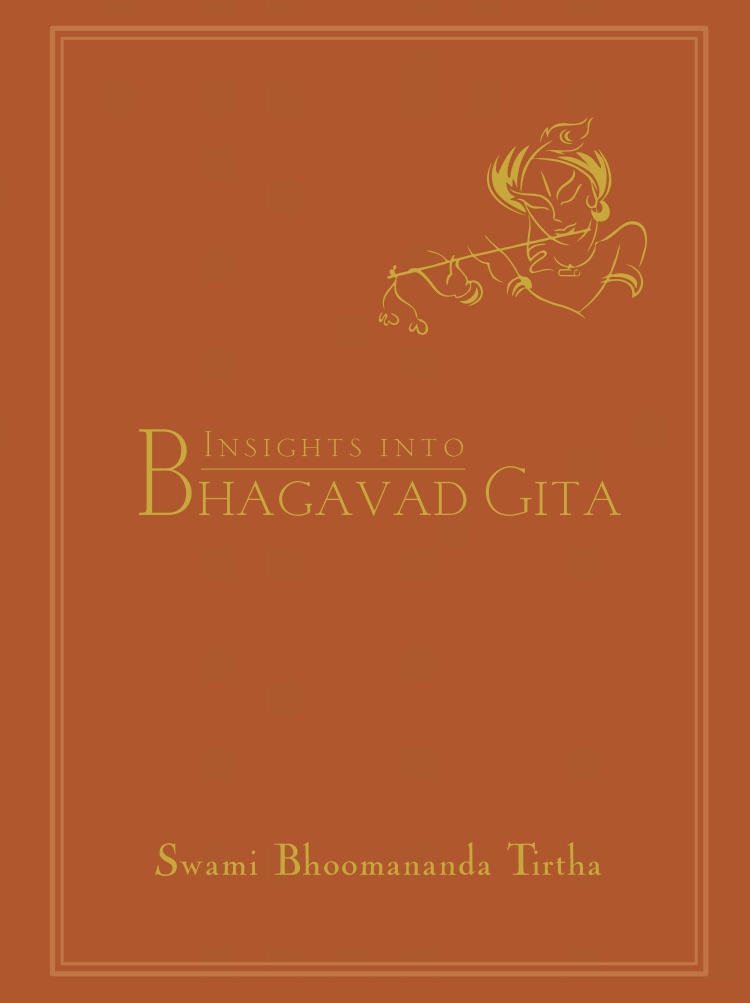 
♦♦♦
|
♦♦♦
Chapter 1
धृतराष्ट्र उवाच ।
धर्मक्षेत्रे कुरुक्षेत्रे समवेता युयुत्सव: । ।
मामका: पाण्डवाश्चैव किमकुर्वत सञ्जय ।। १.१ ।।
dhṛtrāṣṭra-uvāca ।
dharmakṣetre kurukṣetre samavetā yuyutsava: ।
māmakā: pāṇḍavāścaiva kimakurvata sañjaya ।। 1.1 ।।
King Dhritarashtra said: O Sanjaya, having assembled in Kurukshetra, an abode of austerity and righteousness, what did my sons and those of Pandu, ambitious as they were to fight, do?
Chapter 2
कार्पण्यदोषोपहतस्वभावः पृच्छामि त्वां धर्मसम्मूढचेताः ।
यच्छ्रेयः स्यान्निश्चितं ब्रूहि तन्मे शिष्यस्तेऽहं शाधि मां त्वां प्रपन्नम् ।। २.७ ।।
kārpaṇya-doshopahata-svabhāvaḥ pṛcchāmi tvāṃ dharma-sammūḍha-cetāḥ ।
yaccreyaḥ syān-niścitam brūhi tan-me śiṣyas-te'haṃ śādhi māṃ tvāṃ prapannam ।। 2.7।।
न हि प्रपश्यामि ममापनुद्याद् यच्छोकमुच्छोषणमिन्द्रियाणाम् ।
अवाप्य भूमावसपत्नमृद्धं राज्यं सुराणामपि चाधिपत्यम् ।। २.८ ।।
na hi prapaśyāmi mamāpanudyād yat-shokam-ucchoṣaṇam-indriyāṇāṁ ।
avāpya bhūmāu-asapatna-ṛddham rājyaṁ surāṇām-api ca-adhipatyam ।। 2.8।।
I do not see anything to redress the sorrow scorching my senses. Gaining a prosperous and unrivalled kingship on earth or lordship over gods above, will be of no avail to me.
श्रीभगवानुवाच
अशोच्यानन्वशोचस्त्वं प्रज्ञावादांश्च भाषसे ।
गतासूनगतासूंश्च नानुशोचन्ति पण्डिताः ।। २-११ ।।
Śri Bhagavān uvāca ।
aśocyān-anvaśocas-tvaṁ prajñā-vādāṁśca bhāṣase ।
gatāsūn-agatāsūṅsca nānuśocanti paṇditāḥ ।। 2.11 ।।
Lord Krishna said: You are grieving for those who should not be grieved for at all, yet you speak words of wisdom. The spiritually wise grieve not for the living or the dead!
न त्वेवाहं जातु नासं न त्वं नेमे जनाधिपाः ।
न चैव न भविष्यामः सर्वे वयमतः परम् ।। २-१२ ।।
na tv-evāhaṁ jātu nāsaṁ na tvaṁ neme janādhipāḥ ।
na caiva na bhaviṣyāmaḥ sarve vayam-ataḥ param ।। 2.12 ।।
There was no time when I was not, you were not, or these kings were not. Nor shall all of us ever cease to be.
देहिनोऽस्मिन्यथा देहे कौमारं यौवनं जरा ।
तथा देहान्तरप्राप्तिर्धीरस्तत्र न मुह्यति ।। २-१३ ।।
dehino’smin yathā dehe kaumāraṁ yauvanaṁ jarā ।
tathā dehāntara-prāptir-dhīras-tatra na muhyati ।। 2.13 ।।
Just as the one dwelling in the body undergoes childhood, youth and old age, so too is the transition from the body. The wise one is not deluded about it.
मात्रास्पर्शास्तु कौन्तेय शीतोष्णसुखदुःखदाः ।
आगमापायिनोऽनित्यास्तांस्तितिक्षस्व भारत ।। २-१४ ।।
mātrā-sparśās-tu kaunteya śītoṣṇa-sukha-duḥkha-dāḥ ।
āgamāpāyino’nityās-tāṁs-titikṣasva bhārata ।। 2.14 ।।
Contacts between the senses and their objects, O son of Kunti, produce sukha- duḥkhas (joy and sorrow), like cold and heat. O Bharata, they come and go, hence are transitory. You must forbear them.
यं हि न व्यथयन्त्येते पुरुषं पुरुषर्षभ ।
समदुःखसुखं धीरं सोऽमृतत्वाय कल्पते ।। २-१५ ।।
yaṃ hi na vyathayanty-ete puruṣaṃ puruṣarṣabha ।
sama-duḥkha-sukhaṃ dhīraṃ so'mṛtatvāya kalpate ।। 2.15 ।।
Whoever is not tormented by these, O Purusharshabha (Arjuna), that wise human, equanimous in sukha-du:khas, is fit for immortality, liberation.
नासतो विद्यते भावो नाभावो विद्यते सतः ।
उभयोरपि दृष्टोन्तस्त्वनयोस्तत्त्वदर्शिभिः ।। २-१६ ।।
nāsato vidyate bhāvo nābhāvo vidyate sata: ।
ubhayor-api dṛṣṭo’ntastvanayos-tattva-darśibhi: ।। 2.16 ।।
The ‘unreal’ has no expression. The ‘real’ will never cease to be. By experts in the knowledge of Truth, the difference between the two (the Real and the Unreal) has clearly been ascertained.
अविनाशि तु तद्विद्धि येन सर्वमिदं ततम् ।
विनाशमव्ययस्यास्य न कश्चित् कर्तुमर्हति ।। २-१७ ।।
avināśi tu tad-viddhi yena sarvam-idaḿ tatam ।
vināśam-avyayasyāsya na kaścit kartum-arhati ।। 2.17 ।।
Know that, by which all this is permeated, to be indestructible, imperishable. None will be able to destroy this permeating presence.
न जायते म्रियते वा कदाचित्नायं भूत्वा भविता वा न भूयः ।
अजो नित्यः शाश्वतोऽयं पुराणो न हन्यते हन्यमाने शरीरे ।। २-२० ।।
na jāyate mriyate vā kadācit- nāyaṁ bhūtvā bhavitā vā na bhūyaḥ ।
ajo nityaḥ śāśvato’yaṃ purāṇo na hanyate hanyamāne śarīre ।। 2.20 ।।
Know that, by which all this is permeated, to be indestructible, imperishable. None will be able to destroy this permeating presence.
नैनं छिन्दन्ति शस्त्राणि नैनं दहति पावकः ।
न चैनं क्लेदयन्त्यापो न शोषयति मारुतः ।। २-२३ ।।
nainaṁ chindanti śastrāṇi nainaṁ dahati pāvakaḥ ।
na cainaṁ kledayanty-āpo na śoṣayati mārutaḥ ।। 2.23 ।।
Weapons do not pierce the indwelling Soul, nor does fire burn It. Neither water wets It, nor wind dries It.
अच्छेद्योऽयमदाह्योऽयमक्लेद्योऽशोष्य एव च ।
नित्यः सर्वगतः स्थाणुरचलोऽयं सनातनः।। २-२४ ।।
acchedyo’yam-adāhyo’yam-akledyo’śoṣya eva ca ।
nitya: sarva-gata: sthāṇur-acalo’yaṃ sanātana: ।। 2.24 ।।
This Soul cannot be cut, burnt, wetted or dried. This is eternal, everywhere present, unshakeable, unmoving and ever prevailing.
अव्यक्तादीनि भूतानि व्यक्तमध्यानि भारत ।
अव्यक्तनिधनान्येव तत्र का परिदेवना ।। २-२८ ।।
avyaktādīni bhūtāni vyakta-madhyāni bhārata ।
avyakta-nidhanāny-eva tatra kā paridevanā ।। 2.28 ।।
The beginning of all beings is indistinct. Their end too is unknown. The middle state, namely the duration called life, is alone distinct. This being so, what is the point in grieving?
देही नित्यमवध्योऽयं देहे सर्वस्य भारत ।
तस्मात्सर्वाणि भूतानि न त्वं शोचितुमर्हसि ।। २-३० ।।
dehī nityam-avadhyo’yaṁ dehe sarvasya bhārata ।
tasmāt-sarvāṇi bhūtāni na tvaṁ śocitum-arhasi ।। 2.30 ।।
In the body of all, the indwelling Self is ever indestructible. Hence you must not grieve over any being.
सुखदुःखे समे कृत्वा लाभालाभौ जयाजयौ ।
ततो युद्धाय युज्यस्व नैवं पापमवाप्स्यसि ।। २-३८ ।।
sukha-duḥkhe same kṛtvā lābhālābhau jayājayau ।
tato yuddhāya yujyasva naivaṁ pāpam-avāpsyasi ।। 2.38 ।।
Evenize your mind towards sukha and duḥkha, gain and loss, victory and defeat, and then engage in war. Thus you will not incur sin.
नेहाभिक्रमनाशोऽस्ति प्रत्यवायो न विद्यते ।
स्वल्पमप्यस्य धर्मस्य त्रायते महतो भयात् ।। २-४० ।।
nehābhikrama-nāśo’sti pratyavāyo na vidyate ।
svalpam-apy-asya dharmasya trāyate mahato bhayāt ।। 2.40 ।।
In this yoga path, there is no loss of effort, nor any adverse outcome. Even a small measure of this yogic pursuit will save one from mighty fear.
व्यवसायात्मिका बुद्धिरेकेह कुरुनन्दन ।
बहुशाखा ह्यनन्ताश्च बुद्धयोऽव्यवसायिनाम् ।। २-४१ ।।
vyavasāyātmikā buddhir-ekeha kurunandana ।
bahu-śākhā hy-anantāś-ca buddhayo’vyavasāyinām ।। 2.41 ।।
In this (Yoga path) there is but one factor—resoluteness of intelligence, O Arjuna (O son of Kurus). Comprehensions of the un-resolute are multi-branched and endless.
योगस्थः कुरु कर्माणि सङ्गं त्यक्त्वा धनञ्जय ।
सिद्ध्यसिद्ध्योः समो भूत्वा समत्वं योग उच्यते ।। २-४८ ।।
yoga-stha: kuru karmāṇi saṅgaṃ tyaktvā dhanañjaya ।
siddhy-asiddhyo: samo bhūtvā samatvaṃ yoga ucyate ।। 2.48 ।।
Do all your acts, but remaining established in Yoga, leaving the usual delusional clinging, O Dhananjaya. Preserve an even attitude to fruition and non-fruition of whatever you do. Such evenness is defined as Yoga.
बुद्धियुक्तो जहातीह उभे सुकृतदुष्कृते ।
तस्माद्योगाय युज्यस्व योगः कर्मसु कौशलम् ।। २-५० ।।
buddhi-yukto jahātīha ubhe sukṛta-duṣkṛte ।
tasmād-yogāya yujyasva yoga: karmasu kauśalam ।। 2.50 ।।
One with intelligence attuned to Yoga outlives both virtue and vice, here in this world. Therefore, dedicate yourself to Yoga. Yoga is verily dexterity in performing all kinds of actions.
श्रुतिविप्रतिपन्ना ते यदा स्थास्यति निश्चला ।
समाधावचला बुद्धिस्तदा योगमवाप्स्यसि ॥२-५३ ।।
śruti-vipratipannā te yadā sthāsyati niścalā ।
samādhāv-acalā buddhis- tadā yogam-avāpsyasi ॥2.53 ।।
When your intelligence, flung by the conflicting views of scriptures, becomes steady and stable within, then will you attain yoga, the spiritual communion.
अर्जुन उवाच -
स्थितप्रज्ञस्य का भाषा समाधिस्थस्य केशव ।
स्थितधी: किं प्रभाषेत किमासीत व्रजेत किम् ॥ २-५४ ।।
Arjuna uvāca –
sthita-prajñasya kā bhāṣā samādhi-sthasya keśava ।
sthita-dhīḥ kiṁ prabhāṣeta kim-āsīta vrajeta kim ॥2.54 ।।
Arjuna said: How will you, O Keshava, describe the one of stable consciousness (Sthita-prajña) absorbed in meditation? What does the one with stable intelligence (Sthita-dhee) speak? How does he rest? And how does he interact with the world?
श्रीभगवानुवाच -
प्रजहाति यदा कामान् सर्वान् पार्थ मनोगतान् ।
आत्मन्येवात्मना तुष्ट: स्थितप्रज्ञस्तदोच्यते ॥ २-५५ ।।
śrī-bhagavān uvāca –
prajahāti yadā kāmān sarvān pārtha manogatān ।
ātmany-evātmanā tuṣṭaḥ sthita-prajñas-tadocyate ॥ 2.55 ।।
Lord Krishna said: O Partha, when one relinquishes all desires engendered by the mind and, rejoices by himself in his own Self, he is said to be a sthita-prajna, one with steady consciousness.
दुःखेष्वनुद्विग्नमनाः सुखेषु विगतस्पृहः ।
वीतरागभयक्रोधः स्थितधीर्मुनिरुच्यते ॥ २-५६ ।।
du:kheṣv-anudvigna-manā: sukheṣu vigata-spṛha: ।
vīta-rāga-bhaya-krodha: sthita-dhīr-munir-ucyate ॥ 2.56 ।।
With the mind not smitten by duhkhas, fostering no desire for Sukhas, he who rises above attraction, fear and anger is a sthita-dhee. He is verily a Muni, one given devoutly to rumination.
य़: सर्वत्रानभिस्नेहस्तत्तत्प्राप्य शुभाशुभम् ।
नाभिनन्दति न द्वेष्टि तस्य प्रज्ञा प्रतिष्ठिता ॥ २-५७ ।।
ya: sarvatrānabhisnehas-tat-tat-prāpya śubhāśubham ।
nābhinandati na dveṣṭi tasya prajñā pratiṣṭhitā ।। 2.57 ।।
He who transcends his constricted fondness, and does not unduly compliment or condemn whatever auspicious or inauspicious meets him, his consciousness is stable and steady.
आपूर्यमाणमचलप्रतिष्ठं समुद्रमाप: प्रविशन्ति यद्वत् ।
तद्वत्कामा यं प्रविशन्ति सर्वे स शान्तिमाप्नोति न कामकामी ॥ २-७० ।।
āpūryamāṇam-acala-pratiṣṭhaṁ samudram-āpaḥ praviśanti yadvat ।
tadvat-kāmā yaṁ praviśanti sarve sa śāntim-āpnoti na kāma-kāmī ।। 2.70 ।।
As the ocean in which waters (of rivers) enter filling it to the brim remains unmoved, likewise the one into whom enter all experiences (unsought and causing no agitation), attains peace, not the one running after objects of desire.
विहाय कामान्य: सर्वान्पूमांश्चरति नि:स्पृह: ।
निर्ममो निरहङ्कार: स शान्तिमधिगच्छति ॥ २-७१ ।।
vihāya kāmānya: sarvān-pumāṁś-carati ni:spṛha: ।
nirmamo nirahaṅkāra: sa śāntim-adhigacchati ।। 2.71 ।।
He who, leaving all desires, lives and moves freed from all cravings, possessiveness and ego, attains peace.
एषा ब्राह्मी स्थिति: पार्थ नैनां प्राप्य विमुह्यति ।
स्थित्वास्यामन्तकालेऽपि ब्रह्मनिर्वाणमृच्छति ॥ २-७२ ।।
eṣā brāhmī sthitiḥ pārtha naināṁ prāpya vimuhyati ।
sthitvāsyām-antakāle ’pi brahma-nirvāṇam-ṛcchati ।। 2.72 ।।
This is indeed, O Partha, the state of abidance in Brahman, the supreme Reality. Attaining this, one no more gets deluded. Even if one gains it at the end of his life, he attains redemption by uniting with Brahman.
Chapter 3
श्रीभगवानुवाच ।
लोकेऽस्मिन् द्विविधा निष्ठा पुरा प्रोक्ता मयानघ ।
ज्ञानयोगेन साङ्ख्यनां कर्मयोगेन योगिनाम् ॥ ३-३ ।।
śrī bhagavān-uvāca
loke’smin dvi-vidhā niṣṭhā purā proktā mayānagha ।
jnāna-yogena sāṅkhyānām karma-yogena yoginām ।। 3.3 ।।
Lord Krishna said: O Sinless Arjuna! Right in the beginning, had been enunciated by Me the two-fold pursuit, nishtha (for gaining supreme felicity, Sreyas). For the knowledge-oriented saankhya seekers, it is Jnana Yoga, and for the yogis it is Karma-yoga.
न हि कश्चित्क्षणमपि जातु तिष्ठत्यकर्मकृत् ।
कार्यते ह्यवश: कर्म सर्व: प्रकृतिजैर्गुणै: ॥ ३-५ ।।
na hi kaścit-kṣaṇam-api jātu tiṣṭhaty-akarmakṛt ।
kāryate hy-avaśa: karma sarva: prakṛtijair-guṇai: ।। 3.5 ।।
None indeed ever remains inactive even for a second. All are irresistibly compelled to be active by dint of Nature’s qualities, guṇas.
यस्त्विन्द्रियाणि मनसा नियम्यारभतेऽर्जुन ।
कर्मेन्द्रियै: कर्मयोगमसक्त: स विशिष्यते ॥ ३-७ ।।
yas-tvindriyāṇi manasā niyamyārabhate’rjuna ।
karmendriyai: karma-yogam-asakta: sa viśiṣyate ॥ 3.7 ।।
He who, regulating the sense-organs with the mind, without any delusional clinging, begins Karma-yoga with his organs of action, verily excels, O Arjuna.
यज्ञार्थात्कर्मणोऽन्यत्र लोकोऽयं कर्मबन्धनः ।
तदर्थं कर्म कौन्तेय मुक्तसङ्गः समाचर ॥ ३-९ ।।
yajñārthāt-karmaṇo’nyatra loko’yaṃ karma-bandhana: ।
tad-arthaṃ karma kaunteya mukta-saṅga: samācara ॥ 3.9 ।।
This world is firmly bound by actions done as other than Yajña. Therefore, (to make everything Yajña),O son of Kunti (Arjuna), act for the sake of the Supreme, without delusional clinging.
एवं प्रवर्तितं चक्रं नानुवर्तयतीह यः ।
अघायुरिन्द्रियारामो मोघं पार्थ स जीवति ॥ ३-१६ ।।
evaṃ pravartitaṃ cakraṃ nānuvartayatīha yaḥ ।
aghāyur-indriyārāmo moghaṁ pārtha sa jīvati ॥ 3.16 ।।
In this world, whoever does not conform to the “Wheel of Creation” revolving thus, is a mere sensory indulger. His is a sinful life. And he lives in vain.
तस्मादसक्तः सततं कार्यं कर्म समाचर ।
असक्तो ह्याचरन्कर्म परमाप्नोति पूरुषः ॥ ३-१९ ।।
tasmād-asakta: satataṃ kāryaṃ karma samācara ।
asakto hy-ācaran-karma paramāpnoti pūruṣaḥ ॥ 3.19 ।।
Therefore, keeping away from delusional clinging, do well whatever comes to be done, at all times. He who acts without delusional clinging attains the Supreme.
सक्ताः कर्मण्यविद्वांसो यथा कुर्वन्ति भारत ।
कुर्याद्विद्वांस्तथासक्तश्चिकीर्षुर्लोकसङ्ग्रहम् ॥ ३-२५ ।।
saktā: karmaṇy-avidvāṃso yathā kurvanti bhārata ।
kuryād-vidvāṃs-tathāsaktaś- cikīrṣur-lokasaṅgraham ॥ 3.25 ।।
O Bhārata, the manner in which the ignorant with delusion and attachment take to their actions, should the wise one also perform his actions, but without delusional clinging, aiming at the well-being of the world.
तत्त्ववित्तु महाबाहो गुणकर्मविभागयोः ।
गुणा गुणेषु वर्तन्त इति मत्वा न सज्जते॥ ३-२८ ।।
tattvavit-tu mahābāho guṇa-karma-vibhāgayoḥ ।
guṇā guṇeṣu vartanta iti matvā na sajjate ॥ 3.28 ।।
One who knows the truth about guṇas (of Nature) and Karma (activity), perceives that prakṛti’s guṇas (in the form of senses) are mingling with guṇas (in the form of world objects), and consequently he does not court any delusional clinging (saṅga), O Mighty-armed Arjuna.
इन्द्रियस्येन्द्रियस्यार्थे रागद्वेषौ व्यवस्थितौ ।
तयोर्न वशमागच्छेत्तौ ह्यस्य परिपन्थिनौ ॥ ३-३४ ।।
indriyasyendriyasyārthe rāga-dveṣau vyavasthitau ।
tayor-na vaśam-āgacchet-tau hy-asya paripanthinau ॥ 3.34 ।।
For each sense organ, attraction and repulsion towards its objects are natural. Do not come under their sway. They are one’s stark enemies.
इन्द्रियाणि मनो बुद्धिरस्याधिष्ठानमुच्यते ।
एतैर्विमोहयत्येष ज्ञानमावृत्य देहिनम् ॥ ३-४० ।।
indriyāṇi mano buddhir-asyādhiṣṭhānam-ucyate ।
etair-vimohayaty-eṣa jñānam-āvṛtya dehinam ॥ 3.40 ।।
The senses, mind and intelligence are the seat of desire. Through these, it deludes the embodied soul, by veiling wisdom.
इन्द्रियाणि पराण्याहुरिन्द्रियेभ्य: परं मन: ।
मनसस्तु परा बुद्धिर्यो बुद्धे: परतस्तु स: ।। ३-४२ ।।
indriyāṇi parāṇy-āhur-indriyebhya: paraṃ mana: ।
manasas-tu parā buddhir-yo buddhe: paratastu sa: ।। 3.42 ।।
Senses are superior to the objects around. Mind reigns above the senses. And intelligence is still superior. But the Soul (which the ‘I’ denotes, the real identity of man) is still loftier.
एवं बुद्धे: परं बुद्ध्वा संस्तभ्यात्मानमात्मना ।
जहि शत्रुं महाबाहो कामरूपं दुरासदम् ।। ३-४३ ।।
evaṃ buddhe: paraṃ buddhvā saṃstabhyātmānam-ātmanā ।
jahi śatruṃ mahābāho kāma-rūpaṃ durāsadam ।। 3.43 ।।
Knowing thus what reigns within the body as superior to even intelligence, confidently regulating the senses and mind by your own inner power, win over, O mighty-armed, the enemy, in the form of desire, hard to conquer.
Chapter 4
श्रीभगवानुवाच
इमं विवस्वते योगं प्रोक्तवानहमव्ययम् ।
विवस्वान्मनवे प्राह मनुरिक्ष्वाकवेऽब्रवीत् ।। ४-०१ ।।
śri bhagavān uvāca
imaṃ vivasvate yogaṃ proktavān-aham-avyayam ।
vivasvān manave prāha manur ikṣvakave'bravit ।। 4.01 ।।
Lord Krishna said: I first imparted this imperishable spiritual science (yoga) to Vivasvan. Vivasvan told Manu about it; and Manu spoke to Ikshvaku.
एवं परम्पराप्राप्तमिमं राजर्षयो विदु: ।
स कालेनेह महता योगो नष्ट: परन्तप ।। ४-०२ ।।
evaṃ paramparā-prāptam-imaṃ rājaṛṣayo vidu: ।
sa kāleneha mahatā yogo naṣṭa: parantapa ।। 4.01 ।।
This yoga (spiritual science), handed down thus through the Guru-¿ishya lineage, was possessed well by the Knower kings (Rajarshis). But by passage of inexorable time, it has got lost, O scorcher of enemies.
स एवायं मया तेऽद्य योगः प्रोक्तः पुरातनः ।
भक्तोऽसि मे सखा चेति रहस्यं ह्येतदुत्तमम्।। ४-०३ ।।
sa evāyaṃ mayā te'dya yoga: prokta: purātana: ।
bhakto'si me sakhā ceti rahasyaṃ hy-etad-uttamam ।। 4.03 ।।
That most ancient spiritual science itself has been divulged to you by me, today. You are devoted to me; you are also my friend; hence, I felt like revealing to you this most beneficial secret.
श्रीभगवानुवाच ।
बहूनि मे व्यतीतानि जन्मानि तव चार्जुन ।
तान्यहं वेद सर्वाणि न त्वं वेत्थ परन्तप ।। ४-०५ ।।
Śri Bhagavān uvāca
bahūni me vyatītāni janmāni tava ca-Arjuna ।
tāny-ahaṁ veda sarvāṇi na tvaṁ vettha paraṅtapa ।। 4.05 ।।
Lord Krishna said: Many births have been for me, so too for you, O Arjuna. All those I know well, but, O Scorcher of foes, alas, you do not.
अजोऽपि सन्नव्ययात्मा भूतानामीश्र्वरोऽपि सन् ।
प्रकृतिं स्वामधिष्ठाय सम्भवाम्यात्ममायया ।। ४-०६ ।।
ajo'pi sann-avyay'ātmā bhūtānām īśvaro'pi san ।
prakṛtiṃ svām-adhiṣṭhāya sambhavāmy-ātma-māyayā ।। 4.06 ।।
Although I am unborn, of indestructible nature, the Lord of all beings, by dint of my inscrutable power, wielding my own Nature, I get born again and again.
यदा यदा हि धर्मस्य ग्लानिर्भवति भारत ।
अभ्युत्थानमधर्मस्य तदात्मानं सृजाम्यहम् ।। ४-०७ ।।
yadā yadā hi dharmasya glānir bhavati bhārata ।
abhyutthānam-adharmasya tadātmānaṃ sṛjāmy-aham ।। 4.07 ।।
Whenever, O Bharata (Arjuna), righteousness declines and unrighteousness grows, I manifest specially.
परित्राणाय साधूनां विनाशाय च दुष्कृताम् ।
धर्मसंस्थापनार्थाय सम्भवामि युगे युगे ।। ४-०८ ।।
paritrāṇāya sādhūnāṃ vināśāya ca duṣkṛtām ।
dharma-saṃsthāpanārthāya sambhavāmi yuge yuge ।। 4.08 ।।
For protection of the benevolent and eradication of the wicked, to establish righteousness, I manifest time and again.
वीतरागभयक्रोधा मन्मया मामुपाश्रिता: ।
बहवो ज्ञानतपसा पूता मद्भावमागता: ।। ४-१० ।।
vīta-rāga-bhaya-krodhā man-mayā mām-upāśritā: ।
bahavo jñāna-tapasā pūtā mad-bhāvam-āgatā: ।। 4.10 ।।
Transcending passion, fear and anger, reflecting constantly upon Me, taking refuge in Me, many have become like Me getting purified by knowledge-austerity.
ये यथा मां प्रपद्यन्ते तांस्तथैव भजाम्यहम् ।
मम वर्त्मानुवर्तन्ते मनुष्या: पार्थ सर्वश:।। ४-११ ।।
ye yathā māṃ prapadyante tāṃs-tathaiva bhajāmy-aham ।
mama vartmānuvartante manuṣyā: pārtha sarvaśa: ।। 4.11 ।।
As men seek Me, O Partha, so do I grace them with My favour. All humans are following My path only in every way.
काङ्क्षन्त: कर्मणां सिद्धिं यजन्त इह देवता: ।
क्षिप्रं हि मानुषे लोके सिद्धिर्भवति कर्मजा ।। ४-१२ ।।
kāṅkṣantaḥ karmaṇāṃ siddhiṃ yajanta iha devatā: ।
kṣipraṃ hi mānuṣe loke siddhir-bhavati karmajā ।। 4.12 ।।
People worship various deities, aspiring the rewards of rituals. In the human world, fruition of such piecemeal worship is easily had.
किं कर्म किमकर्मेति कवयोऽप्यत्र मोहिता: ।
तत्ते कर्म प्रवक्ष्यामि यज्ज्ञात्वा मोक्ष्यसेऽशुभात् ।। ४-१६ ।।
kiṁ karma kim-akarmeti kavayo'pyatra mohitāḥ ।
tat-te karma pravakṣyāmi yaj-jñātvā mokṣyase-aśubhāt ।। 4.16 ।।
People worship various deities, aspiring the rewards of rituals. In the human world, fruition of such piecemeal worship is easily had.
कर्मण्यकर्म य: पश्येदकर्मणि च कर्म य: ।
स बुद्धिमान् मनुष्येषु स युक्त: कृत्स्नकर्मकृत् ।। ४-१८ ।।
karmaṇy-akarma ya: paśyed-akarmaṇi ca karma ya: ।
sa buddhimān manuṣyeṣu sa yukta: kṛtsna-karma-kṛt ।। 4.18 ।।
Whoever sees inaction or actionless-ness in action, and activity in inaction, is verily wise among men. He indeed is spiritually integrated. He is verily the all-doer, all-performer.
यस्य सर्वे समारम्भा: कामसङ्कल्पवर्जिता: ।
ज्ञानाग्निदग्धकर्माणं तमाहु: पण्डितं बुधा: ।। ४-१९ ।।
yasya sarve samārambhā: kāma-saṅkalpa-varjitā: ।
jñānāgni-dagdha-karmāṇaṃ tam-āhu: paṇditaṃ budhā: ।। 4.19 ।।
Knowledgeable people call him Wise or Enlightened, whose all undertakings are freed of desire and imagination. His all actions are burnt by the fire of wisdom.
त्यक्त्वा कर्मफलासङ्गं नित्यतृप्तो निराश्रयः ।
कर्मण्यभिप्रवृत्तोऽपि नैव किञ्चित्करोति सः ।। ४-२० ।।
tyaktvā karmaphalāsaṅgaṃ nitya-tṛpto nirāśraya: ।
karmaṇy-abhipravṛtto’pi naiva kiñcit-karoti sa: ।। 4.20 ।।
Leaving the delusional clinging to the results of Karma, ever content, free of expectation, even if one engages in activities, verily does not do anything; he remains a non-doer.
निराशीर्यतचित्तात्मा त्यक्तसर्वपरिग्रह: ।
शारीरं केवलं कर्म कुर्वन्नाप्नोति किल्बिषम् ।। ४-२१ ।।
nirāśīr-yata-cittātmā tyakta-sarva-parigraha: ।
śārīraṃ kevalaṃ karma kurvann-āpnoti kilbiṣam ।। 4.21 ।।
Bereft of desires, with sufficient restraint over mind and senses, eschewing all kinds of gifts or gains, doing only bodily (physical) activities, one will not incur sin at all.
यदृच्छालाभसन्तुष्टो द्वन्द्वातीतो विमत्सर: ।
सम: सिद्धावसिद्धौ च कृत्वापि न निबध्यते ।। ४-२२ ।।
yadṛcchālābha-santuṣṭo dvandvātīto vimatsara: ।
sama: siddhāvasiddhau ca kṛtvāpi na nibadhyate ।। 4.22 ।।
Content with whatever chance brings, rising above pairs of opposites, free of jealousy, equal in success and failure, one does not get bound by whatever he does.
गतसङ्गस्य मुक्तस्य ज्ञानावस्थितचेतस: ।
यज्ञायाचरत: कर्म समग्रं प्रविलीयते ।। ४-२३ ।।
gata-saṅgasya muktasya jñānāvasthita-cetasa: ।
yajñāyācarata: karma samagraṃ pravilīyate ।। 4.23 ।।
Outliving delusional clinging, feeling liberated, mind fixed firmly on the Truth, whatever work is done with yajµa attitude gets dissolved together with its result.
ब्रह्मार्पणं ब्रह्म हविर्ब्रह्माग्नौ ब्रह्मणा हुतम् ।
ब्रह्मैव तेन गन्तव्यं ब्रह्मकर्मसमाधिना ।। ४-२४ ।।
brahmārpaṇaṃ brahma-havir-brahmāgnau brahmaṇā hutam ।
brahmaiva tena gantavyaṃ brahma-karma-samādhinā ।। 4.24 ।।
The act of offering is Brahman, the cooked rice offered is Brahman, the fire altar is Brahman, and the offerer too is Brahman. Brahman alone is to be attained by the mind as all activities get merged in Brahman.
श्रेयान्द्रव्यमयाद्यज्ञाज्ज्ञानयज्ञ: परन्तप ।
सर्वं कर्माखिलं पार्थ ज्ञाने परिसमाप्यते ।। ४-३३ ।।
śreyān-dravya-mayād-yajñāj-jñāna-yajña: parantapa ।
sarvaṃ karmākhilaṃ pārtha jñāne parisamāpyate ।। 4.33 ।।
Jñāna-yajña, the sacrifice done through wisdom, is superior to the one in which materials are offered. All activities, O Partha, have their culmination in wisdom alone.
तद्विद्धि प्रणिपातेन परिप्रश्नेन सेवया ।
उपदेक्ष्यन्ति ते ज्ञानं ज्ञानिनस्तत्त्वदर्शिन: ।। ४-३४ ।।
tad viddhi praṇipātena paripraśnena sevayā ।
upadekṣyanti te jñānaṃ jñāninas-tattva-darśina: ।। 4.34 ।।
To gain that knowledge, go to the Knowers, who have the right vision of Truth; prostrate before them, inquire with humility, serve them fondly. They will instruct true knowledge to you.
अपि चेदसि पापेभ्य: सर्वेभ्य: पापकृत्तम: ।
सर्वं ज्ञानप्लवेनैव वृजिनं सन्तरिष्यसि ।। ४-३६ ।।
api ced-asi pāpebhya: sarvebhya: pāpa-kṛttama: ।
sarvaṃ jñāna-plavenaiva vṛjinaṃ santariṣyasi ।। 4.36 ।।
Even if you are the most sinful of all sinners, by the raft of knowledge alone you will cross the entire sea of sin.
यथैधांसि समिद्धोऽग्निर्भस्मसात्कुरुतेऽर्जुन ।
ज्ञानाग्नि: सर्वकर्माणि भस्मसात्कुरुते तथा ।। ४-३७ ।।
yathaidhāṃsi samiddho'gnir-
bhasmasāt-kurute'rjuna ।
jñānāgni: sarva-karmāṇi
bhasmasāt-kurute tathā ।। 4.37 ।।
O Arjuna, just as blazing fire reduces all the firewood into ash, the fire of knowledge burns off all Karmas into mere ash.
न हि ज्ञानेन सदृशं पवित्रमिह विद्यते ।
तत्स्वयं योगसंसिद्ध: कालेनात्मनि विन्दति ।। ४-३८ ।।
na hi jñānena sadṛśaṃ
pavitram-iha vidyate ।
tat-svayaṃ yoga-saṃsiddha:
kālenātmani vindati ।। 4.38 ।।
There is nothing in this world so purifying as jñāna. In due course of time, one will automatically attain it in himself, by dint of the maturity and fruition of yoga pursuit.
श्रद्धावाॅंल्लभते ज्ञानं तत्पर: संयतेन्द्रिय: ।
ज्ञानं लब्ध्वा परां शान्तिमचिरेणाधिगच्छति ।। ४-३९ ।।
śraddhāvām̐l-labhate jñānaṃ
tat-para: saṃyatendriya: ।
jñānaṃ labdhvā parāṃ śāntim-
acireṇādhigacchati ।। 4.39 ।।
One imbued with interest in Brahman, with senses under control and assiduously attentive, begets knowledge. After gaining knowledge, he attains supreme peace before long.
योगसंन्यस्तकर्माणं ज्ञानसंछिन्नसंशयम् ।
आत्मवन्तं न कर्माणि निबध्नन्ति धनञ्जय ।। ४-४१ ।।
yoga-sannyasta-karmāṇaṃ
jñāna-sañchinna-saṃśayam ।
ātmavantaṃ na karmāṇi
nibadhnanti dhanañjaya ।। 4.41 ।।
One, who has renounced all action through yoga, whose doubts are dispelled through spiritual wisdom, who is self-seated, O Dhananjaya, actions do not bind him.
ज्ञेय: स नित्यसन्न्यासी यो न द्वेष्टि न काङ्क्षति ।
निर्द्वन्द्वो हि महाबाहो सुखं बन्धात्प्रमुच्यते ।। ५-०३ ।।
jñeya: sa nitya-sannyāsī
yo na dveṣṭi na kāṅkṣati ।
nirdvandvo hi mahābāho
sukhaṃ bandhāt-pramucyate ।। 5.03 ।।
He is to be known as a ‘constant renunciate’, who does not desire or hate. O mighty-armed, the one given to nirdvandvat¡ (freedom from dual responses) is indeed comfortably freed from bondage.
नैव किञ्चित्करोमीति युक्तो मन्येत तत्त्ववित् । पश्यञ्शृण्वन्स्पृशञ्जिघ्रन्नश्नन्गच्छन्स्वपञ्श्वसन् ।। ५-०८ ।।
प्रलपन्विसृजन्गृह्णन्नुन्मिषन्निमिषन्नपि । इन्द्रियाणीन्द्रियार्थेषु वर्तन्त इति धारयन् ।।५-०९।।
naiva kiñcitkaromīti yukto manyeta tattvavit ।
paśyañ-śṛṇvan-spṛśañ-jighrann-aśnan-gacchan-svapañ-śvasan ।। 5.08 ।।
pralapan-visṛjan-gṛhṇann-unmiṣan-nimiṣann-api ।
indriyāṇīndriyārtheṣu vartanta iti dhārayan ।। 5.09 ।।
The Knower of Truth, who has achieved ‘yogic integration’, will think ‘I do nothing’ even while seeing and hearing, touching and smelling, eating and moving about, sleeping and breathing, speaking and answering the calls of nature, holding, opening and winking his eyes. He understands that in all these the senses alone interact with the sense-objects (and he at heart does nothing at all).
न कर्तृत्वं न कर्माणि लोकस्य सृजति प्रभु: । न कर्मफलसंयोगं स्वभावस्तु प्रवर्तते ॥ ५-१४ ॥
na kartṛtvaṃ na karmāṇi lokasya sṛjati prabhu: ।
na karma-phala-saṃyogaṃ svabhāvas-tu pravartate ॥ 5.14 ।।
The Lord of the Universe does not forge any sense of doership or enjoin actions on anyone; nor again does He connect one with the results of his actions. What indeed acts and activates is one’s own nature, the qualities each possesses.
नादत्ते कस्यचित्पापं न चैव सुकृतं विभु: । अज्ञानेनावृतं ज्ञानं तेन मुह्यन्ति जन्तव: ॥ ५-१५ ॥
nādatte kasyacit-pāpaṃ na caiva sukṛtaṃ vibhu: ।
ajñānenāvṛtaṃ jñānaṃ tena muhyanti jantava: ॥ 5.15 ।।
The all-powerful Lord does not receive anyone’s sin or even virtue. True knowledge is covered by ignorance, and hence are beings deluded.
बाह्यस्पर्शेष्वसक्तात्मा विन्दत्यात्मनि यत्सुखम् । स ब्रह्मयोगयुक्तात्मा सुखमक्षयमश्नुते ॥५-२१ ॥
bāhya-sparśeṣv-asaktātmā
vindaty-ātmani yat-sukham ।
sa brahma-yoga-yuktātmā
sukham-akṣayam-aśnute ॥ 5.21 ।।
Whatever happiness one derives inwardly from the Self, by not clinging to and associating with the objects around, the same happiness in interminable measure he gets on identifying with Brahman (and gaining the resulting expanse).
शक्नोतीहैव य: सोढुं प्राक्शरीरविमोक्षणात् । कामक्रोधोद्भवं वेगं स युक्त: स सुखी नर: ॥५-२३ ॥
śaknotīhaiva ya: soḍhuṃ
prāk-śarīra-vimokṣaṇāt ।
kāma-krodhodbhavaṃ vegaṃ
sa yukta: sa sukhī nara: ॥ 5.23 ।।
Whoever is able to withstand the urges of passion and anger before his body falls, is indeed the spiritually integrated and happy human.
श्रीभगवानुवाच ।
अनाश्रित: कर्मफलं कार्यं कर्म करोति य: ।
स सन्न्यासी च योगी च न निरग्निर्न चाक्रिय: ॥ ६-०१ ॥
śrī bhagavān-uvāca ।
anāśrita: karma-phalaṃ
kāryaṃ karma karoti ya: ।
sa sannyāsī ca yogī ca
na niragnir-na cākriya: ॥ 6.01 ।।
Lord Krishna said: Whoever does whatever is needed from time to time, without depending on the mind’s sukha-duÅkha creations (karma-phala), verily is a sanny¡sin and yogi – not one abandoning rituals or activities.
उद्धरेदात्मनात्मानं नात्मानमवसादयेत् ।
आत्मैव ह्यात्मनो बन्धुरात्मैव रिपुरात्मन: ॥ ६-०५ ॥
uddhared-ātmanātmānaṃ
nātmānam-avasādayet ।
ātmaiva hy-ātmano bandhur-
ātmaiva ripur-ātmana: ॥ 6.05 ।।
Elevate yourself by your own intrinsic power. Do not enervate or degrade yourself. One’s own self alone is, verily, one’s friend, and equally one’s enemy.
बन्धुरात्मात्मनस्तस्य येनात्मैवात्मना जित: ।
अनात्मनस्तु शत्रुत्वे वर्तेतात्मैव शत्रुवत् ॥ ६-०६ ॥
bandhur-ātmātmanas-tasya
yenātmaivātmanā jita: ।
anātmanas-tu śatrutve
vartetātmaiva śatruvat ॥ 6.06 ।।
For one who has won over himself by his own effort itself, his self is a friend to him. But for one who lacks inner mastery, his very self will behave inimically towards him like an enemy.
सुहृन्मित्रार्युदासीनमध्यस्थद्वेष्यबन्धुषु ।
साधुष्वपि च पापेषु समबुद्धिर्विशिष्यते ॥ ६-०९ ॥
suhṛn-mitra-ary-udāsīna-
madhyastha-dveṣya-bandhuṣu ।
sādhuṣv-api ca pāpeṣu
sama-buddhir-viśiṣyate ॥ 6.09 ।।
He who looks equally at benefactors, friends, enemies, neutrals, mediators, haters, relatives, the holy and the unholy (the saint and the sinner), verily excels.
यं लब्ध्वा चापरं लाभं मन्यते नाधिकं तत: ।
यस्मिन्स्थितो न दु:खेन गुरुणापि विचाल्यते ॥ ६-२२ ॥
yaṃ labdhvā cāparaṃ lābhaṃ
manyate nādhikaṃ tata: ।
yasmin-sthito na du:khena
guruṇāpi vicālyate ॥ 6.22 ।।
Having gained which, one considers no other gain as superior to it; established in which, one is not perturbed by even the most severe affliction.
शनै: शनैरुपरमेद्बुद्ध्या धृतिगृहीतया ।
आत्मसंस़्थं मन: कृत्वा न किञ्चिदपि चिन्तयेत् ॥ ६-२५ ॥
śanai: śanair-uparamed-
buddhyā dhṛti-gṛhītayā ।
ātma-saṃsthaṃ mana: kṛtvā
na kiñcid-api cintayet ॥ 6.25 ।।
Gradually and steadily with close attention, withdraw yourself by employing diligently the intelligence controlled by the will. Once the mind becomes self-ward and finally self-settled, do not think at all. (All thinking and willing must come to a stop.)
आत्मौपम्येन सर्वत्र समं पश्यति योऽर्जुन |
सुखं वा यदि वा दु:खं स योगी परमो मत: ॥ ६-३२ ॥
ātmaupamyena sarvatra
samaṃ paśyati yo'rjuna ।
sukhaṃ vā yadi vā du:khaṃ
sa yogī paramo mata: ॥ 6.32 ।।
The Yogi, who perceives the same Self everywhere, whether it is a pleasant (sukha) or an unpleasant (duhkha) situation, is considered the best and highest, O Arjuna.
चञ्चलं हि मन: कृष्ण प्रमाथि बलवद्दृढम् ।
तस्याहं निग्रहं मन्ये वायोरिव सुदुष्करम् ॥ ६-३४ ॥
cañcalaṃ hi mana: kṛṣṇa
pramāthi balavad-dṛḍham ।
tasyāhaṃ nigrahaṃ manye
vāyor-iva suduṣkaram ॥ 6.34 ।।
The mind, O Krishna, is given to swinging and swerving. It is turbulent, very powerful too. I think, to bring it under control or moderation is as difficult as restraining the wind.
पार्थ नैवेह नामुत्र विनाशस्तस्य विद्यते ।
न हि कल्याणकृत्कश्चिद्दुर्गतिं तात गच्छति ॥ ६-४० ॥
śrī bhagavān-uvāca ।
pārtha naiveha nāmutra
vināśas-tasya vidyate ।
na hi kalyāṇa-kṛt-kaścid-
durgatiṃ tāta gacchati ॥ 6.40 ।।
Lord Krishna said: O Partha, neither here on earth nor in the higher worlds, can there be destruction for him. Dear son, one intending to do good (set on the auspicious path), will never meet an adverse plight. (Such is the spiritual law).
तपस्विभ्योऽधिको योगी ज्ञानिभ्योऽपि मतोऽधिक:। कर्मिभ्यश्चाधिको योगी तस्माद्योगी भवार्जुन॥ ६-४६ ॥
tapasvibhyo'dhiko yogī
jñānibhyo'pi mato'dhika: ।
karmibhyaś-cādhiko yogī
tasmād-yogī bhavārjuna ॥ 6.46 ।।
A Yogi is superior to ascetics; he is considered to be even above Vedic scholars. He is superior also to the ritualists. Therefore, Arjuna, be a Yogi.
मनुष्याणां सहस्रेषु कश्चिद्यतति सिद्धये ।
यततामपि सिद्धानां कश्चिन्मां वेत्ति तत्त्वत: ॥ ७-०३ ॥
manuṣyāṇāṃ sahasreṣu
kaścid-yatati siddhaye ।
yatatām-api siddhānāṃ
kaścin-māṃ vetti tattvata: ॥ 7.03 ।।
One in thousands takes up and pursues spiritual seeking. Amongst such striving seekers, very rare is the one who understands Me, the Supreme, in essence.
मत्त: परतरं नान्यत्किञ्चिदस्ति धनञ्जय ।
मयि सर्वमिदं प्रोतं सूत्रे मणिगणा इव ॥ ७-०७ ॥
matta: parataraṃ nānyat-
kiñcid-asti dhanañjaya ।
mayi sarvam-idaṃ protaṃ
sūtre maṇigaṇā iva ॥ 7.07 ।।
There is nothing besides and superior to Me, O Dhananjaya (Arjuna). In Me, all this is interwoven, like beads in a thread.
ये चैव सात्त्विका भावा राजसास्तामसाश्च ये ।
मत्त एवेति तान्विद्धि न त्वहं तेषु ते मयि ॥ ७-१२ ॥
ye caiva sāttvikā bhāvā
rājasās-tāmasāśca ye ।
matta eveti tān-viddhi
na tv-ahaṃ teṣu te mayi ॥ 7.12 ।।
Whatever features or expressions sattva (goodness and purity), rajas (activity and passion) or tamas (ignorance and inertia) arouse, know them all as having emerged from Me alone. However, I am not in them; they are in Me.
त्रिभिर्गुणमयैर्भावैरेभि: सर्वमिदं जगत् ।
मोहितं नाभिजानाति मामेभ्य: परमव्ययम् ॥ ७-१३ ॥
tribhir-guṇamayair-bhāvair-
ebhi: sarvam-idaṃ jagat ।
mohitaṃ nābhijānāti
mām-ebhya: param-avyayaṃ ॥ 7.13 ।।
This whole world is deluded by the mystic potential and display of the three guṇas, and as a result, it does not know Me, the supreme Presence, which, transcending these guṇas, remains imperishable.
चतुर्विधा भजन्ते मां जना: सुकृतिनोऽर्जुन ।
आर्तो जिज्ञासुरर्थार्थी ज्ञानी च भरतर्षभ ॥ ७-१६ ॥
catur-vidhā bhajante māṃ
janā: sukṛtino'rjuna ।
ārto jijñāsur-arthārthī
jnānī ca bharatarṣabha ॥ 7.16 ।।
Four kinds of virtuous people worship Me – the afflicted, the enquiring, the one yearning for some specific gain, and the Knower, O great amongst the Bharatas.
तेषां ज्ञानी नित्ययुक्त एकभक्तिर्विशिष्यते ।
प्रियो हि ज्ञानिनोऽत्यर्थमहं स च मम प्रिय: ॥ ७-१७ ॥
teṣāṃ jñānī nitya-yukta
eka-bhaktir-viśiṣyate ।
priyo hi jñānino'tyartham-
ahaṃ sa ca mama priya: ॥ 7.17 ।।
Of these four, the Knower with his singular devotion is unbrokenly united with Me. He verily excels. For the Knower I am extremely dear, and he too is extremely dear to Me.
इच्छाद्वेषसमुत्थेन द्वन्द्वमोहेन भारत ।
सर्वभूतानि सम्मोहं सर्गे यान्ति परन्तप ॥ ७-२७ ॥
Icchā-dveṣa-samutthena
dvandva-mohena bhārata ।
sarva-bhūtāni sammohaṃ
sarge yānti parantapa ॥ 7.27 ।।
All beings in the world, O Bhārata, O Parantapa, are, at the very time of birth, subjected to the delusion of duality arising from likes and dislikes.
तस्मात्सर्वेषु कालेषु मामनुस्मर युध्य च । मय्यर्पितमनोबुद्धिर्मामेवैष्यस्यसंशयम् ॥ ८-०७ ॥
tasmāt-sarveṣu kāleṣu <
mām-anusmara yudhya ca ।
mayy-arpita-mano-buddhir-
mām-evaiṣyasy-asaṃśayam ॥ 8.07 ।।
Therefore, remember Me (the Supreme) all the time and fight. If the mind and intelligence are dedicatedly resting in Me, you will surely attain Me; No doubt.
यदक्षरं वेदविदो वदन्ति विशन्ति यद्यतयो वीतरागा: ।
यदिच्छन्तो ब्रह्मचर्यं चरन्ति तत्ते पदं सङ्ग्रहेण प्रवक्ष्ये ॥ ८-११ ॥
yad-akṣaraṃ veda-vido vadanti
viśanti yad-yatayo vīta-rāgā: ।
yad-icchanto brahma-caryaṃ caranti
tat-te padaṃ saṅgraheṇa pravakṣye ॥ 8.11 ।।
I shall briefly tell you that state which Vedic Knowers hold as Indestructible, which ascetics transcending desires enter, and seeking which people observe life-long celibacy.
आब्रह्मभुवनाल्लोका: पुनरावर्तिनोऽर्जुन । मामुपेत्य तु कौन्तेय पुनर्जन्म न विद्यते ॥ ८-१६ ॥
ābrahma-bhuvanāllokā:
punarāvartino'rjuna ।
mām-upetya tu kaunteya
punar-janma na vidyate ॥ 8.16 ।।
All the worlds, O Arjuna, from Brahma-loka downwards, are terminable and repetitive. (None of them has anything final or absolute to offer.) If, on the other hand, one gets to Me, he will no more have any re-birth. (It ensures absolute redemption.)
वेदेषु यज्ञेषु तप:सु चैव दानेषु यत्पुण्यफलं प्रदिष्टम् ।
अत्येति तत्सर्वमिदं विदित्वा योगी परं स्थानमुपैति चाद्यम् ॥ ८-२८ ॥
vedeṣu yajñeṣu tapa:su caiva
dāneṣu yat-puṇya-phalaṃ pradiṣṭam ।
aty-eti tat-sarvam-idaṃ viditvā
yogī paraṃ sthānam-upaiti cādyam ॥8.16 ।।
Knowing the secret about this path of inner sovereign brilliance, the yogi outlives all the holy rewards and fruitions Vedas declare in the form of yajñas, austerities and dāna, and attains the supreme primordial Abode.
राजविद्या राजगुह्यं पवित्रमिदमुत्तमम् । प्रत्यक्षावगमं धर्म्यं सुसुखं कर्तुमव्ययम् ॥ ९-०२ ॥
rāja-vidyā rāja-guhyaṃ
pavitram-idam-uttamam ।
pratyakṣāvagamaṃ dharmyaṃ
susukhaṃ kartum-avyayam ॥ 9.02 ।।
A kingly knowledge, a kingly secret, this is the best purifier, directly experiential, the very law of being, comfortable to practise and imperishable too.
मया ततमिदं सर्वं जगदव्यक्तमूर्तिना ।
मत्स्थानि सर्वभूतानि न चाहं तेष्ववस्थित: ॥ ९-०४ ॥
mayā tatam-idaṃ sarvaṃ
jagad-avyakta-mūrtinā ।
mat-sthāni sarva-bhūtāni
na cāhaṃ teṣv-avasthita: ॥ 9.04 ।।
(Identifying himself with the Supreme, Krishna says:) This entire Universe is permeated by My unmanifest aspect. All beings inhere in Me, but I do not abide in them.
न च मत्स्थानि भूतानि पश्य मे योगमैश्वरम् ।
भूतभृन्न च भूतस्थो ममात्मा भूतभावन: ॥ ९-०५ ॥
na ca mat-sthāni bhūtāni
paśya me yogam-aiśvaram ।
bhūta-bhṛn-na ca bhūta-stho
mamātmā bhūta-bhāvana: ॥ 9.05 ।।
Lo, the beings verily do not abide in Me (the Supreme); see My Inscrutable Power. Though the Supreme creates and sustains the creation, It does not abide in it! (This is the wonder of the whole creational display.)
अनन्याश्चिन्तयन्तो मां ये जना: पर्युपासते ।
तेषां नित्याभियुक्तानां योगक्षेमं वहाम्यहम् ॥ ९-२२ ॥
ananyāś-cintayanto māṃ
ye janā: paryupāsate ।
teṣāṃ nityābhiyuktānāṃ
yoga-kṣemaṃ vahāmy-aham ॥ 9.05 ।।
Those who worship Me (the Supreme) in and through everything, considering Me non-different from themselves, remaining ever connected with Me, for them I ensure Yoga (whatever they need for their progress and fulfilment) and Kshema (safety of external and internal possessions).
पत्रं पुष्पं फलं तोयं यो मे भक्त्या प्रयच्छति ।
तदहं भक्त्युपहृतमश्नामि प्रयतात्मन: ॥ ९-२६ ॥
patraṃ puṣpaṃ phalaṃ toyaṃ
yo me bhaktyā prayacchati ।
tad-ahaṃ bhakty-upahṛtam-
aśnāmi prayatātmana: ॥ 9.26 ।।
Whoever offers to Me (the Supreme) a leaf, flower, fruit or even water, devotionally with a pure and disciplined mind, I consume (accept) that devotional offering with great relish.
यत्करोषि यदश्नासि यज्जुहोषि ददासि यत् ।
यत्तपस्यसि काैन्तेय तत्कुरुष्व मदर्पणम् ॥ ९-२७ ॥
yat-karoṣi yad-aśnāsi
yaj-juhoṣi dadāsi yat ।
yat-tapasyasi kaunteya
tat-kuruṣva mad-arpaṇam ॥ 9.27 ।।
O Kaunteya, whatever you do, whatever you eat, whatever oblation you offer to fire, whatever you give as dāna or gift, whatever austerity you perform, make it all a wholesome offering to Me (the Supreme).
अपि चेत्सुदुराचारो भजते मामनन्यभाक् ।
साधुरेव स मन्तव्य: सम्यग्व्यवसितो हि स: ॥ ९-३० ॥
api cet-sudurācāro
bhajate mām-ananya-bhāk ।
sādhur-eva sa mantavya:
samyag-vyavasito hi sa: ॥ 9.30 ।।
Even if one given to extremely evil conduct, starts seeking Me (the Supreme) with one-pointed devotion, he, verily, has to be regarded as noble; for, he is indeed well resolved.
क्षिप्रं भवति धर्मात्मा शश्वच्छान्तिं निगच्छति ।
काैन्तेय प्रतिजानीहि न मे भक्त: प्रणश्यति ॥ ९-३१ ॥
kṣipraṃ bhavati dharmātmā
śaśvacchāntiṃ nigacchati ।
kaunteya pratijānīhi
na me bhakta: praṇaśyati ॥ 9.31 ।।
Very soon he becomes a righteous soul, and gets lasting peace. O Arjuna, swear on My behalf that My devotee (one devoted to the Supreme) never perishes.
मन्मना भव मद्भक्तो मद्याजी मां नमस्कुरु ।
मामेवैष्यसि युक्त्वैवमात्मानं मत्परायण: ॥ ९-३४ ॥
man-manā bhava mad-bhakto
mad-yājī māṃ namaskuru ।
mām-evaiṣyasi yuktvaivam-
ātmānaṃ mat-parāyaṇa: ॥ 9.34 ।।
Fix the mind in Me (the Supreme), be My devotee, offer everything to Me, pay obeisance to Me. Getting integrated with Me like this, making Me the supreme refuge, you will attain Me alone.
श्रीभगवानुवाच ।
भूय एव महाबाहो शृणु मे परमं वच: ।
यत्तेऽहं प्रीयमाणाय वक्ष्यामि हितकाम्यया ॥ १०-०१ ॥
bhūya eva mahābāho
śṛṇu me paramaṃ vaca: ।
yat-te'haṃ prīyamāṇāya
vakṣyāmi hita-kāmyayā ॥ 10.01 ।।
Lord Krishna said: Listen again, O Arjuna (Mahābāhu), my ultimate words. I tell you these, because I am fond of you and desirous of your welfare.
बुद्धिर्ज्ञानमसंमोह: क्षमा सत्यं दम: शम: ।
सुखं दु:खं भवोऽभावो भयं चाभयमेव च ॥ १०-०४ ॥
अहिंसा समता तुष्टिस्तपो दानं यशोऽयश: ।
भवन्ति भावा भूतानां मत्त एव पृथग्विधा: ॥ १०-०५ ॥
buddhir-jñānam-asaṃmoha:
kṣamā satyaṃ dama: śama: ।
sukhaṃ du:khaṃ bhavo'bhāvo
bhayaṃ cābhayam-eva ca ॥ 10.04 ।।
ahiṃsā samatā tuṣṭis-
tapo dānaṃ yaśo'yaśa: ।
bhavanti bhāvā bhūtānāṃ
matta eva pṛthag-vidhā: ॥ 10.05 ।।
Intelligence, knowledge, freedom from delusion, tolerance, truthfulness, sensory restraint, calmness of mind, happiness, unhappiness, existence, non-existence, fear and fearlessness; non-hurting, equality, contentment, austerity, acts of charity, fame, ill-fame – all these are various expressions in humans arising from Me (the Supreme) alone.
मच्चित्ता मद्गतप्राणा बोधयन्तः परस्परम् । कथयन्तश्च मां नित्यं तुष्यन्ति च रमन्ति च ॥ १०-०९ ॥
maccittā mad-gata-prāṇā
bodhayanta: parasparam ।
kathayantaś-ca māṃ nityaṃ
tuṣyanti ca ramanti ca ॥ 10.09 ।।
With their minds engrossed in Me (the Supreme), life resigned to Me, enlightening one another and speaking variously about Me, they (the devotees) are ever contented and joyful.
तेषां सततयुक्तानां भजतां प्रीतिपूर्वकम् । ददामि बुद्धियोगं तं येन मामुपयान्ति ते ॥ १०-१० ॥
teṣāṃ satata-yuktānāṃ
bhajatāṃ prīti-pūrvakam ।
dadāmi buddhi-yogaṃ taṃ
yena mām-upayānti te ॥ 10.10 ।।
To those who constantly think about Me and worship Me (the Supreme) with fondness, I bestow buddhi-yoga, by dint of which they attain Me (the Supreme).
अहमात्मा गुडाकेश सर्वभूताशयस्थितः । अहमादिश्च मध्यं च भूतानामन्त एव च ॥ १०-२० ॥
aham-ātmā guḍākeśa
sarva-bhūtāśayasthita: ।
aham-ādiśca madhyaṃ ca
bhūtānām-anta eva ca ॥ 10.20 ।।
O Conqueror of sleep (Arjuna), I am the Self seated in the core of the very ideational process of all beings. I am the beginning, middle and also the end of all beings.
यद्यद्विभूतिमत्सत्त्वं श्रीमदूर्जितमेव वा।
तत्तदेवावगच्छ त्वं मम तेजोंऽशसम्भवम् ॥ १०-४१ ॥
yad-yad-vibhūtimat-sattvaṃ
śrīmad-ūrjitam-eva vā।
tat-tad-evāvagaccha tvaṃ
mama tejo'ṃśasambhavam ।। 10.41 ।।
Whatever appears or strikes as stupendous, unique, strong or powerful, know it as a spark arising from My brilliance.
Chapter 11 chanting of the Bhagavad Gita has not yet been recorded . As soon as it is recorded, it shall be made available to the saadhaka / saadhikas. Kindly bear with us.
न तु मां शक्यसे द्रष्टुमनेनैव स्वचक्षुषा।
दिव्यं ददामि ते चक्षु: पश्य मे योगमैश्वरम् ॥ ११-०८ ॥
na tu māṃ śakyase draṣṭum-
anenaiva sva-cakṣuṣā ।
divyaṃ dadāmi te cakṣu:
paśya me yogam-aiśvaram ॥ 11.08 ।।
You cannot see My universal magnitude merely with your own eye. So, I am bestowing a divine vision to you. See now the spiritual grandeur of My yoga.
Chapter 11 chanting of the Bhagavad Gita has not yet been recorded . As soon as it is recorded, it shall be made available to the saadhaka / saadhikas. Kindly bear with us.
तस्मात्त्वमुत्तिष्ठ यशो लभस्व जित्वा शत्रून् भुङ्क्ष्व राज्यं समृद्धम् ।
मयैवैते निहता: पूर्वमेव निमित्तमात्रं भव सव्यसाचिन् ॥ ११-३३ ॥
tasmāt-tvam-uttiṣṭha yasho labhasva
jitvā śatrūn bhuṅkṣva rājyaṃ samṛddham ।
mayaivaite nihatā: pūrvameva
nimittamātraṃ bhava savyasācin ॥ 11.33 ।।
Therefore arise, attain fame by conquering enemies, and enjoy the affluent kingdom. All of them are already slain by Me (the Supreme) alone. O Savyasachin (Arjuna), be only an instrument in the process.
Chapter 11 chanting of the Bhagavad Gita has not yet been recorded . As soon as it is recorded, it shall be made available to the saadhaka / saadhikas. Kindly bear with us.
नाहं वेदैर्न तपसा न दानेन न चेज्यया ।
शक्य एवंविधो द्रष्टुं दृष्टवानसि मां यथा ॥ ११-५३ ॥
nāhaṃ vedair-na tapasā
na dānena na cejyayā ।
śakya evaṃ-vidho draṣṭuṃ
dṛṣṭavān-asi māṃ yathā ॥ 11.53 ।।
I (the Supreme) cannot be seen in the manner you have seen, either by Vedic studies, or by austerities, charities or yajñas.
Chapter 11 chanting of the Bhagavad Gita has not yet been recorded . As soon as it is recorded, it shall be made available to the saadhaka / saadhikas. Kindly bear with us.
भक्त्या त्वनन्यया शक्य अहमेवंविधोऽर्जुन ।
ज्ञातुं द्रष्टुं च तत्त्वेन प्रवेष्टुं च परन्तप ॥ ११-५४ ॥
bhaktyā tv-ananyayā śakya
aham-evaṃ-vidho'rjuna ।
jñātuṃ draṣṭuṃ ca tattvena
praveṣṭuṃ ca parantapa ॥ 11.54 ।।
But Arjuna, only by unswerving exclusive devotion, one can know, visualize, realize in essence and finally enter into this Universal Dimension of Mine, O scorcher of enemies.
अर्जुन उवाच।
एवं सततयुक्ता ये भक्तास्त्वां पर्युपासते।
ये चाप्यक्षरमव्यक्तं तेषां के योगवित्तमा: ॥ १२-०१ ॥
arjuna uvāca ।
evaṃ satata-yuktā ye
bhaktās-tvāṃ paryupāsate ।
ye cāpy-akṣaram-avyaktaṃ
teṣāṃ ke yoga-vittamā: ॥ 12.01 ।।
Arjuna said: Which of these are best yogis – those devotees who worship You (the Supreme) thus with constant mental attunement, or those others who contemplate exclusively on the unmanifest Imperishable?
श्रीभगवानुवाच।
मय्यावेश्य मनो ये मां नित्ययुक्ता उपासते।
श्रद्धया परयोपेतास्ते मे युक्ततमा मता: ॥ १२-०२ ॥
śrī bhagavān-uvāca ।
mayyāveśya mano ye māṃ
nitya-yuktā upāsate ।
śraddhayā parayopetās-
te me yukta-tamā matā: ॥ 12.02 ।।
Lord Krishna said: Those who, infusing Me (the Supreme) in their mind, worship Me through a note of constant identity, impelled by the highest attitude and aim, I hold them to be the most united.
------------------
ये त्वक्षरमनिर्देश्यमव्यक्तं पर्युपासते ।
सर्वत्रगमचिन्त्यं च कूटस्थमचलं ध्रुवम् ॥ १२.०३ ॥
सन्नियम्येन्द्रियग्रामं सर्वत्र समबुद्धय: ।
ते प्राप्नुवन्ति मामेव सर्वभूतहिते रता: ॥ १२.०४ ॥
ye tvakṣaram-anirdeśyam-avyaktaṃ paryupāsate ।
sarvatragam-acintyaṃ ca kūṭastham-acalaṃ dhruvam ॥ 12.03 ॥
sanniyamyendriyagrāmaṃ sarvatra sama-buddhaya: ।
te prāpnuvanti mām-eva sarva-bhūta-hite ratā: ॥ 12.04 ॥
Those, on the other hand, given to all-fold contemplation of the Imperishable, Indefinable, Indistinct, All-permeating, Unthinkable, Unchangeable, Immobile, Eternal, also attain Me (the Supreme) alone, provided they are imbued with ample sense-restraint and equal-vision everywhere, and are equally interested in the welfare of all creatures.
क्लेशोऽधिकतरस्तेषामव्यक्तासक्तचेतसाम् ।
अव्यक्ता हि गतिर्दु:खं देहवद्भिरवाप्यते ॥ १२.०५ ॥
kleśo’dhikataras-teṣām-
avyaktāsakta-cetasām ।
avyaktā hi gatir-du:khaṃ
dehavadbhir-avāpyate ॥ 12.5 ॥
Hardship is more for those given to the path of contemplation on the Imperishable. For the embodied ones, attunement to the Imperishable is difficult to attain.
मय्येव मन आधत्स्व मयि बुद्धिं निवेशय।
निवसिष्यसि मय्येव अत ऊर्ध्वं न संशय: ॥ १२.०८ ॥
mayyeva mana ādhatsva
mayi buddhiṃ niveśaya।
nivasiṣyasi mayyeva
ata ūrdhvaṃ na saṃśaya:॥ 12.8 ॥
Repose your mind on Me (the Supreme) alone, and then establish the intelligence too in Me. From then on, you will certainly abide in Me (the Supreme), no doubt.
श्रेयो हि ज्ञानमभ्यासाज्ज्ञानाद्ध्यानं विशिष्यते।
ध्यानात्कर्मफलत्यागस्त्यागाच्छान्तिरनन्तरम् ॥ १२.१२ ॥
śreyo hi jñānam-abhyāsāj-
jñānād-dhyānaṃ viśiṣyate ।
dhyānāt-karma-phala-
tyāgas-tyāgācchāntir-anantaram॥ 12.12 ॥
Knowledge is surely better than practice, and meditative introspection excels mere knowledge. From such reflective meditation, dawns renunciation of the (internal) results of action, and from such relinquishment follows peace.
अद्वेष्टा सर्वभूतानां मैत्र: करुण एव च । निर्ममो निरहङ्कार: समदु:खसुख: क्षमी ॥१२.१३॥
सन्तुष्ट: सततं योगी यतात्मा दृढनिश्चय:। मय्यर्पितमनोबुद्धिर्यो मद्भक्त: स मे प्रिय: ॥१२.१४॥
adveṣṭā sarva-bhūtānāṃ maitra: karuṇa eva ca ।
nirmamo nirahaṅkāra: sama-du:kha-sukha: kṣamī ॥ 12.13 ॥
santuṣṭa: satataṃ yogī yatātmā dṛḍha-niścaya: ।
mayy-arpita-mano-buddhiryo mad-bhakta: sa me priya: ॥ 12.14 ॥
He who is free of hatred towards all beings, friendly and kind to all, free of possessiveness and egoism, equal in unhappiness and happiness, forbearing, ever contented, inwardly integrated, with senses and mind well-disciplined, of firm conviction, with mind and intelligence fully resting on Me (the Supreme), is dear to Me.
यस्मान्नोद्विजते लोको लोकान्नोद्विजते च य:।
हर्षामर्षभयोद्वेगैर्मुक्तो य: स च मे प्रिय: ॥ १२.१५ ॥
yasmān-nodvijate loko
lokān-nodvijate ca ya: ।
harṣāmarṣa-bhayodvegair-
mukto ya: sa ca me priya:॥ 12.15 ॥
One by whom the world is not troubled and who does not feel troubled by the world, who is freed from the clutches of delight and anger, fear and anxiety, is dear to Me (the Supreme).
अनपेक्ष: शुचिर्दक्ष उदासीनो गतव्यथ:।
सर्वारम्भपरित्यागी यो मद्भक्त: स मे प्रिय: ॥ १२.१६ ॥
anapekṣa: śucir-dakṣa
udāsīno gatavyatha:
sarvārambha-parityāgī
yo mad-bhakta: sa me priya:॥ 12.16 ॥
The devotee who is free from expectations, pure outwardly and inwardly, efficient, indifferent and impartial, free of any strong afflictions, who keeps away all sense of doership in all that he does or proposes to do, is dear to Me (the Supreme).
यो न हृष्यति न द्वेष्टि न शोचति न काङ्क्षति । शुभाशुभपरित्यागी भक्तिमान्य: स मे प्रिय: ॥ १२.१७ ॥
yo na hṛṣyati na dveṣṭi
na śocati na kāṅkṣati।
śubhāśubha-parityāgī
bhaktimān-ya: sa me priya: ॥ 12.17 ॥
The devotee who does not get elated (by the pleasant) or resent (the unpleasant), neither grieves nor desires, who relinquishes the sense of auspicious and inauspicious, is dear to Me (the Supreme)
सम: शत्रौ च मित्रे च तथा मानापमानयो:।
शीतोष्णसुखदु:खेषु सम: सङ्गविवर्जित: ॥१२.१८॥
तुल्यनिन्दास्तुतिर्मौनी सन्तुष्टो येन केनचित्।
अनिकेत: स्थिरमतिर्भक्तिमान्मे प्रियो नर: ॥१२.१९॥
sama: śatrau ca mitre ca tathā mānāpamānayo: ।
śītoṣṇa-sukha-du:kheṣu sama: saṅga-vivarjita: ॥ 12.18 ॥
tulya-nindāstutir-maunī santuṣṭo yena kenacit ।
aniketa: sthira-matir-bhaktimān-me priyo nara: ॥ 12.19 ॥
A devotee who has evenness towards enemy and friend, honour and dishonour, happiness and unhappiness which are like cold and heat, who remains free of wrong identification (clinging), and is even-minded towards blame and praise, who is given to spiritual silence and indifference, contented with whatever comes or goes, has no special possessiveness about any place, and of stable mind, is dear to Me (the Supreme).
श्रीभगवानुवाच ।
इदं शरीरं कौन्तेय क्षेत्रमित्यभिधीयते ।
एतद्यो वेत्ति तं प्राहु: क्षेत्रज्ञ इति तद्विद: ॥१३.०२ ॥
śrī bhagavān-uvāca।
idaṃ śarīraṃ kaunteya
kṣetram-ity-abhidhīyate ।
etad-yo vetti taṃ prāhu:
kṣetrajña iti tad-vida: ॥ 13.02 ॥
Lord Krishna said: O Kaunteya (Arjuna), this body is called kshetra, the Field. Knowers of Truth say that whoever knows this, is the Kshetrajña, the knower of the Field.
क्षेत्रज्ञं चापि मां विद्धि सर्वक्षेत्रेषु भारत ।
क्षेत्रक्षेत्रज्ञयोर्ज्ञानं यत्तज्ज्ञानं मतं मम ॥१३.०३ ॥
kṣetrajñaṃ cāpi māṃ viddhi
sarva-kṣetreṣu bhārata ।
kṣetra-kṣetrajñayor-jñānaṃ
yat-taj-jñānaṃ mataṃ mama ॥ 13.03॥
O Bhārata, know Me (the supreme Reality) alone to be the Knower of the Field in all fields. I consider the knowledge of both kshetra and Kshetrajña as true spiritual wisdom.
अमानित्वमदम्भित्वमहिंसा क्षान्तिरार्जवम् ।
आचार्योपासनं शौचं स्थैर्यमात्मविनिग्रह: ॥१३.०८ ॥
amānitvam-adambhitvam-
ahiṃsā-kṣāntir-ārjavam ।
ācāryopāsanaṃ śaucaṃ
sthairyam-ātma-vinigraha: ॥ 13.08 ॥
Sublimation of pride, non-ostentation, non-hurting, tolerance or forgiveness, straight-forwardness, adoring and serving the Teacher, cleanliness (of body and mind), stability and steadfastness, self-control;
इन्द्रियार्थेषु वैराग्यमनहङ्कार एव च ।
जन्ममृत्युजराव्याधिदु:खदोषानुदर्शनम् ॥१३.०९ ॥
indriyārtheṣu vairāgyam-
anahaṅkāra eva ca ।
janma-mṛtyu-jarā-vyādhi-
du:kha-doṣānudarśanam ॥ 13.09 ॥
Not being passionate about sensory objects, freedom from egoism, seeing clearly the trouble and torment associated with birth, death, old age, disease and affliction;
असक्तिरनभिष्वङ्ग: पुत्रदारगृहादिषु।
नित्यं च समचित्तत्वमिष्टानिष्टोपपत्तिषु ॥१३.१० ॥
asaktiranabhiṣvaṅga:
putra-dāra-gṛhādiṣu।
nityaṃ ca sama-cittatvam-
iṣṭāniṣṭopapattiṣu ॥ 13.10 ॥
Safeguarding against delusional clinging and undue identification with children, wife, household, etc. and the resultant suffering, always being even-minded in favourable and unfavourable turn of events.
मयि चानन्ययोगेन भक्तिरव्यभिचारिणी ।
विविक्तदेशसेवित्वमरतिर्जनसंसदि ॥१३.११ ॥
mayi cānanyayogena
bhaktiravyabhicāriṇī ।
vivikta-deśa-sevitvam-
aratirjana-saṃsadi ॥ 13.11 ॥
Unflinching devotion and yoga of exclusive loyalty to Me (the Teacher who exposes the supreme Truth); the habit of seeking seclusion and finding joy in it; lack of interest in and disinclination to be with crowds and the din and bustle of the world.
अध्यात्मज्ञाननित्यत्वं तत्त्वज्ञानार्थदर्शनम्।
एतज्ज्ञानमिति प्रोक्तमज्ञानं यदतोऽन्यथा ॥ १३.१२ ॥
adhyātma-jñāna-nityatvaṃ
tattva-jñānārtha-darśanam ।
etajjñānam-iti proktam-
ajñānaṃ yad-ato’nyathā ॥ 13.12 ॥
Being constantly given to spiritual introspection, perceiving the true object of life as determined by the tenets of spiritual wisdom – all these together (beginning from verse 13.8) constitute true wisdom. Everything else is sheer ignorance.
ज्ञेयं यत्तत्प्रवक्ष्यामि यज्ज्ञात्वामृतमश्नुते।
अनादिमत्परं ब्रह्म न सत्तन्नासदुच्यते ॥ १३.१३ ॥
jñeyaṃ yat-tat-pravakṣyāmi
yajjñātvāmṛtam-aśnute ।
anādimat-paraṃ brahma
na sat-tannāsad-ucyate ॥ 13.13 ॥
I shall now describe clearly that which should be known, knowing which one attains immortality. It is the beginningless, supreme Brahman, which is said to be neither existence nor non-existence.
सर्वत:पाणिपादं तत्सर्वतोऽक्षिशिरोमुखम्।
सर्वत:श्रुतिमल्लोके सर्वमावृत्य तिष्ठति ॥ १३.१४ ॥
sarvata: pāṇi-pādaṃ tat-
sarvato’kṣi-śiro-mukham।
sarvata: śrutimalloke
sarvam-āvṛtya tiṣṭhati ॥ 13.14 ॥
With hands and feet, eyes, head, face and ears everywhere, It (Brahman) stands embracing all in the creation.
सर्वेन्द्रियगुणाभासं सर्वेन्द्रियविवर्जितम्।
असक्तं सर्वभृच्चैव निर्गुणं गुणभोक्तृ च ॥ १३.१५ ॥
sarvendriya-guṇābhāsaṃ
sarvendriya-vivarjitam ।
asaktaṃ sarva-bhṛccaiva
nirguṇaṃ guṇa-bhoktṛ ca ॥ 13.15 ॥
Revealing all sense-objects, though itself devoid of senses, It (Brahman) is dis-attached, yet the sustainer of all, attribute-free, the enjoyer of all qualities.
बहिरन्तश्च भूतानामचरं चरमेव च। सूक्ष्मत्वात्तदविज्ञेयं दूरस्थं चान्तिके च तत् ॥ १३.१६ ॥
bahirantaś-ca bhūtānām-
acaraṃ caram-eva ca ।
sūkṣmatvāt-tad-avijñeyaṃ
dūrasthaṃ cāntike ca tat॥ 13.16 ॥
Present outside and inside the beings, mobile and immobile alike, It (Brahman) remains incomprehensible due to its subtlety. It is far away, yet close by too.
अविभक्तं च भूतेषु विभक्तमिव च स्थितम्।
भूतभर्तृ च तज्ज्ञेयं ग्रसिष्णु प्रभविष्णु च ॥ १३.१७ ॥
avibhaktaṃ ca bhūteṣu
vibhaktam-iva ca sthitam ।
bhūta-bhartṛ ca tajjñeyaṃ
grasiṣṇu prabhaviṣṇu ca ॥ 13.17 ॥
Though indivisible, It appears divided in beings (with their individual ego-centre). It is to be known as the originator, preserver and dissolver of all.
ज्योतिषामपि तज्ज्योतिस्तमस: परमुच्यते ।
ज्ञानं ज्ञेयं ज्ञानगम्यं हृदि सर्वस्य विष्ठितम् ॥ १३.१८ ॥
jyotiṣām-api tajjyotis-
tamasa: param-ucyate ।
jñānaṃ jñeyaṃ jñāna-gamyaṃ
hṛdi sarvasya viṣṭhitam ॥ 13.18 ॥
It is the effulgence of all luminaries. It is said to be beyond darkness (ignorance). It is Knowledge, the One to be known and reached by Knowledge alone. It is established in everyone’s heart.
इति क्षेत्रं तथा ज्ञानं ज्ञेयं चोक्तं समासत: । मद्भक्त एतद्विज्ञाय मद्भावायोपपद्यते ॥ १३.१९ ॥
iti kṣetraṃ tathā jñānaṃ
jñeyaṃ coktaṃ samāsata: ।
mad-bhakta etad-vijñāya
mad-bhāvāyopapadyate ॥ 13.19 ॥
Thus briefly have been stated what the kshetra, knowledge, and what ought to be known, are. My devotee, having known this, becomes fit to attain My state (the supreme state).
उपद्रष्टानुमन्ता च भर्ता भोक्ता महेश्वर:।
परमात्मेति चाप्युक्तो देहेऽस्मिन्पुरुष: पर: ॥ १३.२३ ॥
upadraṣṭānumantā ca
bhartā bhoktā maheśvara: ।
paramātmeti cāpy-ukto
dehe’smin-puruṣa: para: ॥ 13.23 ॥
Purusha, dwelling in the body, witnesses, permits, supports and experiences everything. The overlord of all, He is also said to be Paramātmā, the supreme Self.
य एवं वेत्ति पुरुषं प्रकृतिं च गुणै: सह।
सर्वथा वर्तमानोऽपि न स भूयोऽभिजायते ॥ १३.२४ ॥
ya evaṃ vetti puruṣaṃ
prakṛtiṃ ca guṇai: saha ।
sarvathā vartamāno’pi
na sa bhūyo’bhijāyate ॥ 13.24 ॥
Whoever thus knows the Purusha and Prakṛti along with its (Prakṛti’s) attributes, will not court any further birth, no matter how he lives.
ध्यानेनात्मनि पश्यन्ति केचिदात्मानमात्मना ।
अन्ये सांख्येन योगेन कर्मयोगेन चापरे ॥ १३.२५ ॥
dhyānenātmani paśyanti
kecid-ātmānam-ātmanā ।
anye sāṅkhyena yogena
karma-yogena cāpare ॥ 13.25 ॥
Resorting to exclusive meditation, some perceive the Self in them by their self. Some others do so by assiduous introspection (Vicāra or Sāṅkhya-yoga), while others accomplish the goal by taking to Karma-yoga.
अन्ये त्वेवमजानन्त: श्रुत्वान्येभ्य उपासते।
तेऽपि चातितरन्त्येव मृत्युं श्रुतिपरायणा: ॥ १३.२६ ॥
anye tvevam-ajānanta:
śrutvānyebhya upāsate ।
te’pi cātitaranty-eva
mṛtyuṃ śruti-parāyaṇā: ॥ 13.26 ॥
There are yet others who, ignorant of these paths, take to sādhanā listening to others’ expositions. Such seekers also, given to assiduous listening and sincere pursuit, verily transcend mortality.
प्रकृत्यैव च कर्माणि क्रियमाणानि सर्वश:।
य: पश्यति तथात्मानमकर्तारं स पश्यति ॥ १३.३० ॥
prakṛtyaiva ca karmāṇi
kriyamāṇāni sarvaśa: ।
ya: paśyati tathātmānam-
akartāraṃ sa paśyati ॥ 13.30 ॥
He who ‘sees’ all kinds of activities as instrumented by Prakṛti alone, and likewise sees the Self as ever the non-doer, is the true Seer.
यथा सर्वगतं सौक्ष्म्यादाकाशं नोपलिप्यते।
सर्वत्रावस्थितो देहे तथात्मा नोपलिप्यते ॥ १३.३३ ॥
yathā sarvagataṃ saukṣmyād-
ākāśaṃ nopalipyate ।
sarvatrāvasthito dehe
tathātmā nopalipyate ॥ 13.33 ॥
Just as the all-pervading space, due to its subtlety, does not court any stain, the Soul, permeating throughout the body, is not tainted by anything (happening to the body).
यथा प्रकाशयत्येक: कृत्स्नं लोकमिमं रवि:।
क्षेत्रं क्षेत्री तथा कृत्स्नं प्रकाशयति भारत ॥ १३.३४ ॥
yathā prakāśayaty-eka:
kṛtsnaṃ lokam-imaṃ ravi: ।
kṣetraṃ kṣetrī tathā kṛtsnaṃ
prakāśayati bhārata ॥ 13.34 ॥
As the one Sun illumines this whole world, so does the one Subject Consciousness (Kshetrī) reveal the entire object-world (kshetra), O Bhārata.
सत्त्वं सुखे सञ्जयति रज: कर्मणि भारत।
ज्ञानमावृत्य तु तम: प्रमादे सञ्जयत्युत ॥ १४.०९ ॥
sattvaṃ sukhe sañjayati
raja: karmaṇi bhārata ।
jñānam-āvṛtya tu tama:
pramāde sañjayaty-uta ॥ 14.09 ॥
Sattva binds one by comfort and happiness, rajas by activity, O Bhārata, while tamas, covering knowledge, binds one by carelessness or inattention.
सर्वद्वारेषु देहेऽस्मिन्प्रकाश उपजायते ।
ज्ञानं यदा तदा विद्याद्विवृद्धं सत्त्वमित्युत ॥ १४.११ ॥
sarvadvāreṣu dehe’smin-
prakāśa upajāyate ।
jñānaṃ yadā tadā vidyād-
vivṛddhaṃ sattvam-ity-uta ॥ 14.11 ॥
When the brilliance of knowledge adorns all the sense organs in the body, then know it definitely to be the sublime effect of enhanced sattva-guṇa.
यदा सत्त्वे प्रवृद्धे तु प्रलयं याति देहभृत्।
तदोत्तमविदां लोकानमलान्प्रतिपद्यते ॥ १४.१४ ॥
yadā sattve pravṛddhe tu
pralayaṃ yāti deha-bhṛt ।
tadottamavidāṃ lokān-
amalān-pratipadyate ॥ 14.14 ॥
When the embodied one happens to die with sattva in predominance, then he attains the pure regions meant for the most learned ones.
सत्त्वात्सञ्जायते ज्ञानं रजसो लोभ एव च।
प्रमादमोहौ तमसो भवतोऽज्ञानमेव च ॥ १४.१७ ॥
sattvāt-sañjāyate jñānaṃ
rajaso lobha eva ca ।
pramāda-mohau tamaso
bhavato’jñānam-eva ca ॥ 14.17 ॥
From sattva-guṇa is born knowledge, wisdom. From rajas arises greed alone. Inattention, delusion and also ignorance, result from tamas.
नान्यं गुणेभ्य: कर्तारं यदा द्रष्टानुपश्यति।
गुणेभ्यश्च परं वेत्ति मद्भावं सोऽधिगच्छति ॥ १४.१९ ॥
nānyaṃ guṇebhya: kartāraṃ
yadā draṣṭānupaśyati ।
guṇebhyaśca paraṃ vetti
mad-bhāvaṃ so’dhigacchati ॥ 14.19 ॥
When the seer does not see any doer besides the guṇas, and also perceives That which transcends the guṇas, then he attains My state (attains the Supreme).
श्रीभगवानुवाच।
प्रकाशं च प्रवृत्तिं च मोहमेव च पाण्डव।
न द्वेष्टि सम्प्रवृत्तानि न निवृत्तानि काङ्क्षति ॥ १४.२२ ॥
śrī bhagavān-uvāca ।
prakāśaṃ ca pravṛttiṃ ca
moham-eva ca pāṇḍava ।
na dveṣṭi sampravṛttāni
na nivṛttāni kāṅkṣati ॥ 14.22 ॥
Lord Krishna said: O Pandava, he (a guṇātīta) does not resent the rise of either (sattva’s) brilliance, or (rajas’s) activity or (tamas’s) delusion, and also does not yearn for the subsidence of any of them.
उदासीनवदासीनो गुणैर्यो न विचाल्यते।
गुणा वर्तन्त इत्येव योऽवतिष्ठति नेङ्गते ॥ १४.२३ ॥
udāsīnavad-āsīno
guṇairyo na vicālyate ।
guṇā vartanta ity-eva
yo’vatiṣṭhati neṅgate ॥ 14.23 ॥
He (a guṇātīta) remains seated with lofty indifference, not shaken by the interplay of guṇas; and he remains stable and unwavering understanding that guṇas alone are operating.
समदुःखसुखः स्वस्थः समलोष्टाश्मकाञ्चनः ।
तुल्यप्रियाप्रियो धीरस्तुल्यनिन्दात्मसंस्तुतिः ॥ १४.२४ ॥
sama-du:kha-sukha: svastha:
sama-loṣṭāśma-kāñcana: ।
tulya-priyāpriyo dhīra-
stulya-nindātma-saṃstuti: ॥ 14.24 ॥
He (a guṇātīta) remains equipoised in sorrow and happiness, rests firmly in oneself, considers a clod of earth, stone and a piece of gold with equal importance, is evenly disposed towards the desirable and detestable, poised (dhīraḥ), accepting praise and blame alike.
मानापमानयोस्तुल्यस्तुल्यो मित्रारिपक्षयो: ।
सर्वारम्भपरित्यागी गुणातीत: स उच्यते ॥ १४.२५ ॥
mānāpamānayos-tulyas-
tulyo mitrāri-pakṣayo: ।
sarvārambha-parityāgī
guṇātīta: sa ucyate ॥ 14.25 ॥
He who is even towards honour and dishonour, impartial towards friends and enemies, and has renounced all sense of undertaking, is said to have transcended the guṇas.
मां च योऽव्यभिचारेण भक्तियोगेन सेवते ।
स गुणान्समतीत्यैतान् ब्रह्मभूयाय कल्पते ॥ १४.२६ ॥
māṃ ca yo’vyabhicāreṇa
bhakti-yogena sevate ।
sa guṇān-samatītyaitān
brahma-bhūyāya kalpate॥ 14.26 ॥
Also, whoever worships Me (the Supreme) with unswerving devotion, transcends these guṇas very well, and is fit to become Brahman.
श्रीभगवानुवाच ।
ऊर्ध्वमूलमध:शाखमश्वत्थं प्राहुरव्ययम् ।
छन्दांसि यस्य पर्णानि यस्तं वेद स वेदवित् ॥ १५.०१ ॥
śrī bhagavān-uvāca ।
ūrdhvamūlam-adha:śākham-
aśvatthaṃ prāhur-avyayam ।
chandāṃsi yasya parṇāni
yas-taṃ veda sa veda-vit ॥ 15.01 ॥
Lord Krishna said: The imperishable peepul tree, whose leaves are the Vedic hymns, is said to have roots upward and branches downward. Whosoever knows that, understands the import of the Vedas.
निर्मानमोहा जितसङ्गदोषा अध्यात्मनित्या विनिवृत्तकामाः।
द्वन्द्वैर्विमुक्ताः सुखदुःखसंज्ञै: गच्छन्त्यमूढाः पदमव्ययं तत् ॥ १५.०५ ॥
nirmāna-mohā jita-saṅga-doṣā
adhyātma-nityā vinivṛtta-kāmā:
dvandvair-vimuktā: sukha-du:kha-sañjñai: -
gacchanty-amūḍhā: padam-avyayaṃ tat ॥ 15.05 ॥
Those, who are free of pride and delusion, have won over the defect of attachment, who are given to constant reflection on the supreme Reality, and are fully rid of desires; who have overcome the hold of pairs of opposites in the form of sukha and du:kha, they become free of delusion and reach that supreme imperishable Abode.
न तद्भासयते सूर्यो न शशाङ्को न पावक: ।
यद्गत्वा न निवर्तन्ते तद्धाम परमं मम ॥ १५.०६ ॥
na tad-bhāsayate sūryo
na śaśāṅko na pāvaka: ।
yad-gatvā na nivartante
tad-dhāma paramaṃ mama ॥ 15.06 ॥
That is My supreme Abode, which neither sun nor moon nor fire illumines, on reaching which there will be no return or rebirth.
यतन्तो योगिनश्चैनं पश्यन्त्यात्मन्यवस्थितम् ।
यतन्तोऽप्यकृतात्मानो नैनं पश्यन्त्यचेतस: ॥ १५.११ ॥
yatanto yoginaścainaṃ
paśyanty-ātmany-avasthitam ।
yatanto’py-akṛtātmāno
nainaṃ paśyanty-acetasa: ॥ 15.11 ॥
Striving seekers perceive the supreme Reality as abiding in their own within. However, those who lack purity as well as discrimination fail to perceive the same, even if they strive hard.
यदादित्यगतं तेजो जगद्भासयतेऽखिलम्।
यच्चन्द्रमसि यच्चाग्नौ तत्तेजो विद्धि मामकम् ॥ १५.१२ ॥
yad-ādityagataṃ tejo
jagad-bhāsayate’khilam ।
yaccandramasi yac-cāgnau
tat-tejo viddhi māmakam ॥ 15.12 ॥
Know the brilliance of the sun that illumines the entire world, the brilliance in the moon and also in the fire, to be from Me (the Supreme).
अहं वैश्वानरो भूत्वा प्राणिनां देहमाश्रित:।
प्राणापानसमायुक्त: पचाम्यन्नं चतुर्विधम् ॥ १५.१४ ॥
ahaṃ vaiśvānaro bhūtvā
prāṇināṃ dehamāśrita:।
prāṇāpānasamāyukta:
pacāmyannaṃ caturvidham ॥ 15.14 ॥
Manifesting as fire of life (Vaiśvānara) residing in the bodies of creatures, I (the Supreme) conjunct with prānaṃ and apāna (the vital forces) and digest the four-fold food.
सर्वस्य चाहं हृदि सन्निविष्टो मत्तः स्मृतिर्ज्ञानमपोहनं च।
वेदैश्च सर्वैरहमेव वेद्यो वेदान्तकृद्वेदविदेव चाहम् ॥ १५.१५ ॥
sarvasya cāhaṃ hṛdi sanniviṣṭo
mattaḥ smṛtir-jñānam-apohanaṃ ca।
vedaiśca sarvair-aham-eva vedyo
vedānta-kṛd-veda-vid-eva cāham ॥ 15.15 ॥
I (as the Supreme) am embedded in the heart of all. Memory, wisdom and forgetfulness are from Me. I alone am to be known by all the Vedas. I am indeed the knower of the Vedas and the author of Vedanta.
श्री भगवानुवाच ।
अभयं सत्त्वसंशुद्धिर्ज्ञानयोगव्यवस्थितिः।
दानं दमश्च यज्ञश्च स्वाध्यायस्तप आर्जवम् ॥ १६.०१ ॥
śrī bhagavān-uvāca ।
abhayaṃ sattva-saṃśuddhir-
jñāna-yoga-vyavasthiti:।
dānaṃ damaś-ca yajñaś-ca
svādhyāyas-tapa ārjavam॥16.01 ॥
Lord Krishna said: Fearlessness, wholesome purity, adequate attunement to and abidance in spiritual wisdom, charitability, sensory regulation, acting with full dedication to the supreme Reality (yajña), study of scriptures, austerity, straightforwardness;
(Enumeration of Divine Qualities)
अहिंसा सत्यमक्रोधस्त्यागः शान्तिरपैशुनम्।
दया भूतेष्वलोलुप्त्वं मार्दवं ह्रीरचापलम् ॥ १६.०२ ॥
ahiṃsā satyam-akrodhas
-tyāgaḥ śāntir-apaiśunam।
dayā bhūteṣvaloluptvaṃ
mārdavaṃ hrīr-acāpalam ॥ 16.02 ॥
Non-violence or non-injury, truthfulness, absence of anger, renunciation, peacefulness, absence of fault-finding, compassion for all creatures, absence of greed, softness of mind, modesty, avoiding fickleness and useless pursuits;
(Enumeration of Divine Qualities Continues)
तेज: क्षमा धृति: शौचमद्रोहो नातिमानिता ।
भवन्ति सम्पदं दैवीमभिजातस्य भारत ॥ १६.०३ ॥
teja: kṣamā dhṛti: śaucam-
adroho nātimānitā ।
bhavanti sampadaṃ daivīm-
abhijātasya bhārata ॥ 16.03 ॥
Brilliance, patience-cum-tolerance, will-power, cleanliness, absence of hostility and haughtiness – these are the (twenty six) qualities that grace one born with divine nature, O descendant of Bharata.
(Enumeration of Divine Qualities Concludes)
त्रिविधं नरकस्येदं द्वारं नाशनमात्मनः।
कामः क्रोधस्तथा लोभस्तस्मादेतत्त्रयं त्यजेत् ॥ १६.२१ ॥
trividhaṃ narakasyedaṃ
dvāraṃ nāśanam-ātmanah।
kāmah krodhas-tathā lobhas-
tasmād- etat-trayaṃ tyajet ॥ 16.21 ॥
Three-fold is this door to hell, which spells destruction to one. It consists of passion, anger and greed. Therefore, one should shun these three.
आयुःसत्त्वबलारोग्यसुखप्रीतिविवर्धनाः।
रस्याः स्निग्धाः स्थिरा हृद्या आहाराः सात्त्विकप्रियाः ॥ १७.०८ ॥
āyuḥ-sattva-balārogya-sukha-prīti-vivardhanāḥ। rasyāḥ snigdhāḥ sthirā hṛdyā āhārāḥ sāttvika-priyāḥ ॥ 17.08 ॥
Sāttvika food enhances longevity, spiritual strength, health, happiness and contentment. Food items that are delicious, soothing, sustaining and pleasing to the heart are dear to the sāttvikas.
कट्वम्ललवणात्युष्णतीक्ष्णरूक्षविदाहिनः। आहारा राजसस्येष्टा दुःखशोकामयप्रदाः ॥ १७.०९ ॥
kaṭvamla-lavaṇāty-uṣṇa-
tīkṣṇa-rūkṣa-vidāhinaḥ।
āhārā rājasasyeṣṭā
duḥkha-śokāmaya-pradāḥ ॥ 17.09 ॥
Rājasa people prefer food items which are excessively bitter, sour, saline, extremely hot, pungent, dry and burning, causing suffering, grief and disease.
यातयामं गतरसं पूति पर्युषितं च यत्। उच्छिष्टमपि चामेध्यं भोजनं तामसप्रियम् ॥ १७.१० ॥
yātayāmaṃ gatarasaṃ
pūti paryuṣitaṃ ca yat।
ucchiṣṭamapi cāmedhyaṃ
bhojanaṃ tāmasapriyam ॥ 17.10 ॥
Food cooked unduly earlier, tasteless, stinking, stale, even left over by someone after eating or impure, is relished by the people of tāmasa temperament.
अफलाकाङ्क्षिभिर्यज्ञो विधिदृष्टो य इज्यते।
यष्टव्यमेवेति मनः समाधाय स सात्त्विकः ॥ १७.११ ॥
aphalākāṅkṣibhir-yajño
vidhi-dṛṣṭo ya ijyate।
yaṣṭavyam-eveti manaḥ
samādhāya sa sāttvikaḥ ॥ 17.11 ॥
The yajña (sacrifice) performed without desire for any result thereof, at the same time as prescribed in the scriptures, considering that it has to be performed, and fixing the mind well on its performance, is said to be sāttvika (yajña).
देवद्विजगुरुप्राज्ञपूजनं शौचमार्जवम्।
ब्रह्मचर्यमहिंसा च शारीरं तप उच्यते ॥ १७.१४ ॥
deva-dvija-guru-prājña-
pūjanamṃ śaucam-ārjavam ।
brahmacaryam-ahimṃsā ca
śārīramṃ tapa ucyate ॥ 17.14 ॥
Worshipping devas (divine beings), brāhman ṃas, Guru and the wise, cleanliness, straightforwardness, celibacy and non-hurting constitute bodily austerity.
अनुद्वेगकरं वाक्यं सत्यं प्रियहितं च यत्।
स्वाध्यायाभ्यसनं चैव वाङ्मयं तप उच्यते ॥ १७.१५ ॥
anudvega-karaṃ vākyaṃ
satyaṃ priya-hitaṃ ca yat।
svādhyāyābhyasanaṃ caiva
vāṅmayaṃ tapa ucyate ॥ 17.15 ॥
Using words that are non-irritating, truthful, endearing and beneficial, and also studying scriptures regularly are said to be constituting austerity pertaining to speech.
मनःप्रसादः सौम्यत्वं मौनमात्मविनिग्रहः।
भावसंशुद्धिरित्येतत्तपो मानसमुच्यते ॥ १७.१६ ॥
manaḥ prasādaḥ saumyatvam
maunam-ātma-vinigrahah।
bhāva-samḥśuddhir-ity-etat
tapo mānasam-ucyate ॥ 17.16 ॥
Cheerful calmness of the mind, gentleness, silence, self-control, attitudinal and emotional purity – these are held to constitute mental austerity.
श्रद्धया परया तप्तं तपस्तत्त्रिविधं नरै:।
अफलाकाङ्क्षिभिर्युक्तै: सात्त्विकं परिचक्षते ॥ १७.१७ ॥
śraddhayā parayā taptaṃ
tapas-tat-trividhaṃ narai:।
aphalākāṅkṣibhir-yuktai:
sāttvikaṃ paricakṣate ॥ 17.17 ॥
This three-fold austerity, pursued with supreme attention by men who are established in Yoga-buddhi and have no desire for any gain, is held to be sāttvika.
दातव्यमिति यद्दानं दीयतेऽनुपकारिणे ।
देशे काले च पात्रे च तद्दानं सात्त्विकं स्मृतम् ॥ १७.२० ॥
dātavyam-iti yad-dānaṃ
dīyate'nupakāriṇe।
deśe kāle ca pātre ca
tad-dānaṃ sāttvikaṃ smṛtam ॥ 17.20 ॥
Any gift offered considering it is noble to give, and given in the right place, on the right occasion, to the right recipient, looking for no reciprocal benefit, is deemed sāttvika dāna.
ॐ तत्सदिति निर्देशो ब्रह्मणस्त्रिविधः स्मृतः।
ब्राह्मणास्तेन वेदाश्च यज्ञाश्च विहिताः पुरा॥ १७.२३ ॥
OM tat-sad-iti nirdeśo
brahmaṇas-trividhaḥ smṛtaḥ।
brāhmaṇās-tena vedāś-ca
yajñāś-ca vihitāḥ purā ॥ 17.23 ॥
OM, TAT and SAT are spoken of as the triple attributes of Brahman, the supreme Reality. By these were ordained the Brāhmaṇas, Vedas and yajñas, in the ancient times.
तदित्यनभिसन्धाय फलं यज्ञतपःक्रियाः।
दानक्रियाश्च विविधाः क्रियन्ते मोक्षकाङ्क्षिभि: ॥ १७.२५ ॥
tad-ity-anabhisandhāya
phalaṃ yajña-tapaḥ-kriyāḥ ।
dāna-kriyāś-ca vividhāḥ
kriyante mokṣakāṅkṣibhiḥ ॥ 17.25 ॥
By those aspiring for liberation, the various acts of yajña, dāna and tapas are performed uttering ‘Tat’, without looking for any special fruit or result.
सद्भावे साधुभावे च सदित्येतत्प्रयुज्यते।
प्रशस्ते कर्मणि तथा सच्छब्दः पार्थ युज्यते ॥ १७.२६ ॥
sad-bhāve sādhu-bhāve ca
sad-ity-etat-prayujyate।
praśaste karmaṇi tathā
sacchabdaḥ pārtha yujyate ॥ 17.26 ॥
The word ‘Sat’ is employed in the sense of the ultimate Truth, Reality, as well as goodness and nobility. O Partha, ‘Sat’ is also used to refer to any act esteemed for loftiness or auspiciousness (because such work helps one attain the Truth).
यज्ञे तपसि दाने च स्थितिः सदिति चोच्यते।
कर्म चैव तदर्थीयं सदित्येवाभिधीयते ॥ १७.२७ ॥
yajñe tapasi dāne ca
sthitiḥ sad-iti cocyate।
karma caiva tad-arthīyaṃ
sad-ityevābhidhīyate ॥ 17.27 ॥
To be given steadily to yajña, tapas and dāna is said to be ‘Sat’. Equally so, any action done for the sake of these three is verily called ‘Sat’.
अर्जुन उवाच
संन्यासस्य महाबाहो तत्त्वमिच्छामि वेदितुम्।
त्यागस्य च हृषीकेश पृथक्केशिनिषूदन ॥ १८.०१ ॥
arjuna uvāca
saṃnyāsasya mahābāho
tattvam-icchāmi veditum।
tyāgasya ca hṛṣīkeśa
pṛthak-keśi-niṣūdana ॥ 18.01 ॥
Arjuna said: O mighty-armed (Krishna), the controller of senses, slayer of Keśī, I aspire to know the essence of sannyāsa (renunciation); equally so, of tyāga (relinquishment, abandonment) separately.
निश्चयं श्रृणु मे तत्र त्यागे भरतसत्तम।
त्यागो हि पुरुषव्याघ्र त्रिविधः संप्रकीर्तितः ॥ १८.०४ ॥
niścayaṃ śṛṇu me tatra
tyāge bharata-sattama।
tyāgo hi puruṣa-vyāghra
trividhaḥ saṃprakīrtitaḥ ॥ 18.04 ॥
O the best amongst Bharatas (Arjuna), listen to my considered view on the subject of relinquishment. Relinquishment, O brave (tiger) among men, is verily declared to be of three kinds.
यज्ञदानतपःकर्म न त्याज्यं कार्यमेव तत् ।
यज्ञो दानं तपश्चैव पावनानि मनीषिणाम् ॥ १८.०५ ॥
yajña-dāna-tapaḥ-karma
na tyājyaṃ kāryam-eva tat ।
yajño dānaṃ tapaś-caiva
pāvanāni manīṣiṇām ॥ 18.05 ॥
Yajña, dāna and tapas are not to be eschewed, abandoned. They are surely to be performed. For those given to the habit of introspection, yajña, dāna and tapas are certainly purificatory.
एतान्यपि तु कर्माणि सङ्गं त्यक्त्वा फलानि च ।
कर्तव्यानीति मे पार्थ निश्चितं मतमुत्तमम् ॥ १८.०६ ॥
etāny-api tu karmāṇi
saṅgaṃ tyaktvā phalāni ca ।
kartavyānīti me pārtha
niścitaṃ matam-uttamam ॥ 18.06 ॥
But even these actions should be performed leaving delusional clinging and the desire for gain. This is my well-considered view, O Partha.
नियतस्य तु संन्यासः कर्मणो नोपपद्यते ।
मोहात्तस्य परित्यागस्तामसः परिकीर्तितः ॥ १८.०७ ॥
niyatasya tu sannyāsaḥ
karmaṇo nopapadyate ।
mohāt-tasya parityāgas-
tāmasaḥ parikīrtitaḥ ॥ 18.07 ॥
It is not proper to renounce a rightly guided and necessary action. Renouncing any such action due to delusion is widely considered as tāmasa-tyāga.
कार्यमित्येव यत्कर्म नियतं क्रियतेऽर्जुन ।
सङ्गं त्यक्त्वा फलं चैव स त्यागः सात्त्विको मतः ॥ १८.०९ ॥
kāryam-ity-eva yat-karma
niyataṃ kriyate'rjuna ।
saṅgaṃ tyaktvā phalaṃ caiva
sa tyāgaḥ sāttviko mataḥ ॥ 18.09 ॥
O Arjuna, when a properly regulated action is performed because it has to be surely done, abandoning saṅga (delusional clinging) and also desire for gain, that renunciation is considered sāttvika.
न हि देहभृता शक्यं त्यक्तुं कर्माण्यशेषत: ।<
यस्तु कर्मफलत्यागी स त्यागीत्यभिधीयते ॥ १८.११ ॥
na hi deha-bhṛtā śakyaṃ
tyaktuṃ karmāṇy-aśeṣata: ।
yastu karma-phala-tyāgī
sa tyāgīty-abhidhīyate ॥ 18.11 ॥
For the embodied one, it is not at all possible to relinquish activities in full. But, he who relinquishes the fruits of actions is considered a tyāgī.
अनिष्टमिष्टं मिश्रं च त्रिविधं कर्मण: फलम्।
भवत्यत्यागिनां प्रेत्य न तु संन्यासिनां क्वचित् ॥ १८.१२ ॥
aniṣṭam-iṣṭaṃ miśraṃ ca
trividhaṃ karmaṇa: phalam ।
bhavaty-atyāgināṃ pretya
na tu sannyāsināṃ kvacit ॥ 18.12 ॥
The result of an action is threefold: Desirable, undesirable and also mixed. These accrue beyond physical existence to the non-relinquishers, but never to the renunciates.
पञ्चैतानि महाबाहो कारणानि निबोध मे।
सांख्ये कृतान्ते प्रोक्तानि सिद्धये सर्वकर्मणाम् ॥
अधिष्ठानं तथा कर्ता करणं च पृथग्विधम्।
विविधाश्च पृथक्चेष्टा दैवं चैवात्र पञ्चमम् ॥ १८.१३ - १४ ॥
pañcaitāni mahābāho
kāraṇāni nibodha me ।
sāṅkhye kṛtānte proktāni
siddhaye sarva-karmaṇām ॥
adhiṣṭhānaṃ tathā kartā
karaṇaṃ ca pṛthag-vidham ।
vividhāś-ca pṛthak-ceṣṭā
daivaṃ caivātra pañcamam ॥ 18.13 - 14 ॥
O mighty-armed (Arjuna), know from Me the five causes for the right fruition of all actions, as explained in Sāṅkhya or kṛtānta (the philosophy dealing with the knowledge that transcends all actions):
The body which is the seat, as also the actor (kartā), various instruments (senses), diverse efforts, and of these Providence is the fifth.
यस्य नाहंकृतो भावो बुद्धिर्यस्य न लिप्यते।
हत्वापि स इमाँल्लोकान्न हन्ति न निबध्यते ॥ १८.१७ ॥
yasya nāhaṅkṛto bhāvo
buddhir-yasya na lipyate ।
hatvāpi sa imān-lokān-
na hanti na nibadhyate ॥ 18.17 ॥
He, who has outgrown the sense of doership (ego), and whose intelligence does not get tainted, even if he kills all these people, he does not verily kill, nor does he get bound (by his killing).
सर्वभूतेषु येनैकं भावमव्ययमीक्षते।
अविभक्तं विभक्तेषु तज्ज्ञानं विद्धि सात्त्विकम् ॥ १८.२० ॥
sarva-bhūteṣu yenaikaṃ
bhāvam-avyayam-īkṣate ।
avibhaktaṃ vibhakteṣu
tajjñānaṃ viddhi sāttvikam ॥ 18.20 ॥
Know that knowledge to be sāttvika, by which one perceives the singular, imperishable and undivided Presence in all the manifold beings.
नियतं सङ्गरहितमरागद्वेषत: कृतम्।
अफलप्रेप्सुना कर्म यत्तत्सात्त्विकमुच्यते ॥ १८.२३ ॥
niyataṃ saṅga-rahitam-
arāga-dveṣata: kṛtam ।
aphala-prepsunā karma
yat-tat-sāttvikam-ucyate॥ 18.23 ॥
An action which is duly regulated, performed without attachment, desire and hatred, and not motivated by results, is said to be sāttvika.
मुक्तसङ्गोऽनहंवादी धृत्युत्साहसमन्वित:।
सिद्ध्यसिद्ध्योर्निर्विकार: कर्ता सात्त्विक उच्यते ॥ १८.२६ ॥
mukta-saṅgo’nahaṃvādī
dhṛty-utsāha-samanvita: ।
siddhy-asiddhyor-nirvikāra:
kartā sāttvika ucyate॥ 18.26 ॥
Free of delusional clinging (attachment) and ego, imbued with will (inner strength) and fervour, whoever remains unaffected by the success and failure of his effort, is said to be the sāttvika performer.
प्रवृत्तिं च निवृत्तिं च कार्याकार्ये भयाभये।
बन्धं मोक्षं च या वेत्ति बुद्धि: सा पार्थ सात्त्विकी ॥ १८.३० ॥
pravṛttiṃ ca nivṛttiṃ ca
kāryākārye bhayābhaye ।
bandhaṃ mokṣaṃ ca yā vetti
buddhi: sā pārtha sāttvikī ॥ 18.30 ॥
O Partha, that intelligence, which is able to distinguish between ‘involvemental action’ and ‘freedom from action’, what is ‘to be done’ and ‘not to be done’, what is ‘to be feared’ and wherein lies ‘fearlessness’, what is ‘bondage’ and where lies ‘liberation’, is sāttvika.
धृत्या यया धारयते मन:प्राणेन्द्रियक्रिया:।
योगेनाव्यभिचारिण्या धृति: सा पार्थ सात्त्विकी ॥ १८.३३ ॥
dhṛtyā yayā dhārayate
mana:-prāṇendriya-kriyā:।
yogenāvyabhicāriṇyā
dhṛti: sā pārtha sāttvikī ॥ 18.33 ॥
The will and drive by which one holds the activities of the mind, life forces and senses in unswerving yoga, O Pārtha, is sāttvika dhṛti.
सुखं त्विदानीं त्रिविधं श्रृणु मे भरतर्षभ।
अभ्यासाद्रमते यत्र दु:खान्तं च निगच्छति ॥ १८.३६ ॥
यत्तदग्रे विषमिव परिणामेऽमृतोपमम् ।
तत्सुखं सात्त्विकं प्रोक्तमात्मबुद्धिप्रसादजम् ॥ १८.३७ ॥
sukhaṃ tvidānīṃ trividhaṃ
śṛṇu me bharatarṣabha ।
abhyāsād-ramate yatra
du:khāntaṃ ca nigacchati ॥ 18.36 ॥
yat-tad-agre viṣam-iva
pariṇāme’mṛtopamam ।
tat-sukhaṃ sāttvikaṃ proktam-
ātma-buddhi-prasādajam ॥ 18.37 ॥
O chief of Bharatas (Arjuna), listen from me now the three kinds of happiness (sukha).
That happiness (sukha) is considered sāttvika, wherein one rejoices through spiritual practice and begets end of misery, which is like poison to start with, but like nectar in the end, which is born from the placidity of Self-knowledge.
न तदस्ति पृथिव्यां वा दिवि देवेषु वा पुन:।
सत्त्वं प्रकृतिजैर्मुक्तं यदेभि: स्यात्त्रिभिर्गुणै: ॥ १८.४० ॥
na tad-asti pṛthivyāṃ vā
divi deveṣu vā puna: ।
sattvaṃ prakṛtijair-muktaṃ
yad-ebhi: syāt-tribhir-guṇai: ॥ 18.40 ॥
Either upon the earth or in the heaven and amongst gods, there is no existence that is not subjected to the workings of these three qualities (guṇas) born of Nature.
शमो दमस्तप: शौचं क्षान्तिरार्जवमेव च।
ज्ञानं विज्ञानमास्तिक्यं ब्रह्मकर्म स्वभावजम् ॥ १८.४२ ॥
śamo damas-tapa: śaucaṃ
kṣāntirārjavam-eva ca ।
jñānaṃ vijñānam-āstikyaṃ
brahma-karma svabhāvajam ॥ 18.42 ॥
Mental discipline, sensory control, austerity, purity, forbearance, straightforwardness, knowledge, realization of the knowledge, and unflinching faith in the spiritual truth – these verily constitute the natural activities of a brāhmaṇa.
शौर्यं तेजो धृतिर्दाक्ष्यं युद्धे चाप्यपलायनम्।
दानमीश्वरभावश्च क्षात्रं कर्म स्वभावजम् ॥ १८.४३ ॥
śauryaṃ tejo dhṛtirdākṣyaṃ
yuddhe cāpy-apalāyanam ।
dānam-īśvara-bhāvaśca kṣātraṃ
karma svabhāvajam ॥ 18.43 ॥
Valour, splendour, determination, skill, not running away from the battlefield, and also charity and lordship – these constitute the natural activities of a kshatriya.
कृषिगौरक्ष्यवाणिज्यं वैश्यकर्म स्वभावजम्।
परिचर्यात्मकं कर्म शूद्रस्यापि स्वभावजम् ॥ १८.४४ ॥
kṛṣi-gau-rakṣya-vāṇijyaṃ
vaiśya-karma svabhāvajam ।
paricaryātmakaṃ karma
śūdrasyāpi svabhāvajam ॥ 18.44 ॥
Agriculture, animal husbandry and trade – these form the natural activities of a vaiśya. Service to others is the natural pursuit of a śūdra.
स्वे स्वे कर्मण्यभिरत: संसिद्धिं लभते नर:।
स्वकर्मनिरत: सिद्धिं यथा विन्दति तच्छृणु ॥ १८.४५ ॥
sve sve karmaṇy-abhirata:
saṃsiddhiṃ labhate nara: ।
sva-karma-nirata: siddhiṃ
yathā vindati tacchṛṇu ॥ 18.45 ॥
Performing attentively one’s own activities, man attains spiritual fruition. Listen as to how one, engaged in his own duty, reaches perfection.
यत: प्रवृत्तिर्भूतानां येन सर्वमिदं ततम्।
स्वकर्मणा तमभ्यर्च्य सिद्धिं विन्दति मानव: ॥ १८.४६ ॥
yata: pravṛttirbhūtānāṃ
yena sarvam-idaṃ tatam ।
sva-karmaṇā tam-abhyarcya
siddhiṃ vindati mānava: ॥ 18.46 ॥
By devoutly offering one’s own action (and pursuit) to That (Source), from which all beings have emerged, and by which all this is pervaded, man attains perfection.
सहजं कर्म कौन्तेय सदोषमपि न त्यजेत्।
सर्वारम्भा हि दोषेण धूमेनाग्निरिवावृता: ॥ १८.४८ ॥
sahajaṃ karma kaunteya
sadoṣam-api na tyajet ।
sarvārambhā hi doṣeṇa
dhūmenāgnir-ivāvṛtā: ॥ 18.48 ॥
One should not abandon his own natural pursuit even if it has a taint of evil. All activities are indeed enveloped with evil, like fire with smoke.
असक्तबुद्धि: सर्वत्र जितात्मा विगतस्पृह:। नैष्कर्म्यसिद्धिं परमां संन्यासेनाधिगच्छति ॥ १८.४९ ॥
asakta-buddhi: sarvatra
jitātmā vigata-spṛha: ।
naiṣkarmya-siddhiṃ paramāṃ
sannyāsenādhigacchati ॥ 18.49 ॥
With dis-attached intelligence in all situations, one who is self-regulated and free of cravings, attains the supreme perfection of naishkarmya (non-doership) through sannyāsa (renunciation).
बुद्ध्या विशुद्धया युक्तो धृत्यात्मानं नियम्य च ।
शब्दादीन् विषयांस्त्यक्त्वा रागद्वेषौ व्युदस्य च ॥ १८.५१ ॥
विविक्तसेवी लघ्वाशी यतवाक्कायमानस: ।
ध्यानयोगपरो नित्यं वैराग्यं समुपाश्रित: ॥ १८.५२ ॥
अहङ्कारं बलं दर्पं कामं क्रोधं परिग्रहम् ।
विमुच्य निर्मम: शान्तो ब्रह्मभूयाय कल्पते ॥ १८.५३ ॥
buddhyā viśuddhayā yukto
dhṛtyātmānaṃ niyamya ca।
śabdādīn viṣayāṃstyaktvā
rāga-dveṣau vyudasya ca ॥ 18.51 ॥
viviktasevī laghvāśī
yata-vāk-kāya-mānasa: ।
dhyāna-yogaparo nityaṃ
vairāgyaṃ samupāśrita: ॥ 18.52 ॥
ahaṅkāraṃ balaṃ darpaṃ
kāmaṃ krodhaṃ parigraham ।
vimucya nirmama: śānto
brahma-bhūyāya kalpate ॥ 18.53 ॥
Integrated with pure intellect and regulating the mind with will; giving up sensory thrills like sound, etc., eschewing desire and dislike; ॥18.51॥
being given to aloneness (not resorting to crowd); eating but little; regulating activities of speech, body and mind; constantly pursuing contemplation; taking refuge in dispassion;॥18.52॥
abandoning egotism, clout, arrogance, lust and rage (hatred); not accepting gifts; possessing nothing; and composed; – such a one is said to be fit to become Brahman.॥18.53॥
ब्रह्मभूत: प्रसन्नात्मा न शोचति न काङ्क्षति।
सम: सर्वेषु भूतेषु मद्भक्तिं लभते पराम् ॥ १८.५४ ॥
भक्त्या मामभिजानाति यावान्यश्चास्मि तत्त्वत:।
ततो मां तत्त्वतो ज्ञात्वा विशते तदनन्तरम् ॥ १८.५५ ॥
brahma-bhūta: prasannātmā
na śocati na kāṅkṣati ।
sama: sarveṣu bhūteṣu
mad-bhaktiṃ labhate parām ॥ 18.54 ॥
bhaktyā mām-abhijānāti
yāvān-yaścāsmi tattvata: ।
tato māṃ tattvato jñātvā
viśate tad-anantaram ॥ 18.55 ॥
Having become Brahman, one is ever cheerful, does not grieve or crave for anything. Feeling equal towards all beings, he begets transcendental devotion to Me (the Supreme).॥18.54॥
By devotion he comes to know Me (the Supreme) - what and who I am, in essence. Knowing Me thus in essence, he next enters into the Supreme.॥18.55॥
सर्वकर्माण्यपि सदा कुर्वाणो मद्व्यपाश्रय:।
मत्प्रसादादवाप्नोति शाश्वतं पदमव्ययम् ॥ १८.५६ ॥
sarva-karmāṇy-api sadā
kurvāṇo mad-vyapāśraya: ।
mat-prasādād-avāpnoti
śāśvataṃ padam-avyayam ॥ 18.56 ॥
Even by always doing all activities with wholesome reliance on Me (the Supreme), one attains by My grace, the eternal, imperishable Abode.
चेतसा सर्वकर्माणि मयि संन्यस्य मत्पर:।
बुद्धियोगमुपाश्रित्य मच्चित्त: सततं भव ॥ १८.५७ ॥
cetasā sarva-karmāṇi
mayi sannyasya mat-para:।
buddhi-yogam-upāśritya
maccitta: satataṃ bhava ॥ 18.57 ॥
Mentally renouncing all actions to Me (the Supreme), regarding Me as the Supreme, let your mind, resorting to buddhi-yoga (anchoring the intelligence in the inmost Reality), abide constantly in Me.
मच्चित्त: सर्वदुर्गाणि मत्प्रसादात्तरिष्यसि।
अथ चेत्त्वमहङ्कारान्न श्रोष्यसि विनङ्क्ष्यसि ॥ १८.५८ ॥
यदहङ्कारमाश्रित्य न योत्स्य इति मन्यसे।
मिथ्यैष व्यवसायस्ते प्रकृतिस्त्वां नियोक्ष्यति ॥ १८.५९ ॥
maccitta: sarva-durgāṇi
mat-prasādāt-tariṣyasi ।
atha cet-tvam-ahaṅkārān-
na śroṣyasi vinaṅkṣyasi ॥ 18.58 ॥
yad-ahaṅkāram-āśritya
na yotsya iti manyase ।
mithyaiṣa vyavasāyaste
prakṛtistvāṃ niyokṣyati ॥ 18.59 ॥
With the mind resting on Me (the Supreme), you will surmount all hardships by My grace. But if egoistically you do not heed these words, you will be led to ruin. ॥18.58॥
Resorting to ego should you think ‘I will not fight’, your decision is in vain. For, Nature will compel you to fight.॥18.59॥
स्वभावजेन कौन्तेय निबद्ध: स्वेन कर्मणा।
कर्तुं नेच्छसि यन्मोहात्करिष्यस्यवशोऽपि तत् ॥ १८.६० ॥
svabhāvajena kaunteya
nibaddha: svena karmaṇā ।
kartuṃ necchasi yanmohāt-
kariṣyasy-avaśo’pi tat ॥ 18.60 ॥
O Kunti’s son (Arjuna), that which you are unwilling to undertake due to delusion, you will still perform irresistibly, bound by karma born of your own nature.
ईश्वर: सर्वभूतानां हृद्देशेऽर्जुन तिष्ठति।
भ्रामयन्सर्वभूतानि यन्त्रारूढानि मायया ॥१८.६१॥
तमेव शरणं गच्छ सर्वभावेन भारत।
तत्प्रसादात्परां शान्तिं स्थानं प्राप्स्यसि शाश्वतम् ॥१८.६२॥
īśvara: sarva-bhūtānāṃ
hṛd-deśe’rjuna tiṣṭhati ।
bhrāmayan-sarva-bhūtāni
yantrārūḍhāni māyayā॥18.61॥
tam-eva śaraṇaṃ gaccha
sarva-bhāvena bhārata।
tat-prasādāt-parāṃ śāntiṃ
sthānaṃ prāpsyasi śāśvatam ॥18.62॥
O Arjuna, God dwells in the heart of all beings. Reigning there, by His inscrutable power (māyā), He makes everyone whirl around, as in a revolving machine (yantra-ārūḍha). ॥ 18.61 ॥
Seek refuge under Him alone, with all your emotional notes (bhāvas). By His grace, you will attain supreme peacefulness as well as the eternal Abode.॥ 18.62 ॥
सर्वगुह्यतमं भूय: श्रृणु मे परमं वच:।
इष्टोऽसि मे दृढमिति ततो वक्ष्यामि ते हितम् ॥ १८.६४ ॥
sarva-guhyatamaṃ bhūya:
śṛṇu me paramaṃ vaca: ।
iṣṭo’si me dṛḍham-iti
tato vakṣyāmi te hitam ॥ 18.64 ॥<4p>
Listen again to my supreme word, the most secret, which I shall explain for your good, as you are most dear to me.
मन्मना भव मद्भक्तो मद्याजी मां नमस्कुरु।
मामेवैष्यसि सत्यं ते प्रतिजाने प्रियोऽसि मे ॥ १८.६५ ॥
man-manā bhava mad-bhakto
madyājī māṃ namaskuru ।
mām-evaiṣyasi satyaṃ te
pratijāne priyo’si me ॥ 18.65 ॥
Listen again to my supreme word, the most secret, which I shall explain for your good, as you are most dear to me.
सर्वधर्मान्परित्यज्य मामेकं शरणं व्रज।
अहं त्वा सर्वपापेभ्यो मोक्षयिष्यामि मा शुच: ॥ १८.६६ ॥
sarva-dharmān-parityajya
mām-ekaṃ śaraṇaṃ vraja ।
ahaṃ tvā sarva-pāpebhyo
mokṣayiṣyāmi mā śuca: ॥ 18.66 ॥
Abandoning all considerations of dharma (ethics and codes of life), take refuge in Me alone. I shall redeem you from all sins. Grieve not!
य इमं परमं गुह्यं मद्भक्तेष्वभिधास्यति।
भक्तिं मयि परां कृत्वा मामेवैष्यत्यसंशय: ॥ १८.६८ ॥
ya imaṃ paramaṃ guhyaṃ
mad-bhakteṣvabhidhāsyati ।
bhaktiṃ mayi parāṃ kṛtvā
mām-evaiṣyaty-asaṃśaya: ॥ 18.68 ॥
He who exposes this most secret Truth among My devotees, cherishing supreme devotion to Me, reaches Me (the Supreme) alone, no doubt.
अध्येष्यते च य इमं धर्म्यं संवादमावयो:।
ज्ञानयज्ञेन तेनाहमिष्ट: स्यामिति मे मति: ॥ १८.७० ॥
adhyeṣyate ca ya imaṃ
dharmyaṃ saṃvādam-āvayo: ।
jñāna-yajñena tenāham-
iṣṭa: syām-iti me mati: ॥ 18.70 ॥
He who will study faithfully this dharmic (righteous) dialogue of ours, by him I shall be worshipped with the oblation (offering) of knowledge, Jñāna-yajña. This is My considered view.
अर्जुन उवाच।
नष्टो मोह: स्मृतिर्लब्धा त्वत्प्रसादान्मयाच्युत।
स्थितोऽस्मि गतसन्देह: करिष्ये वचनं तव ॥ १८.७३ ॥
arjuna uvāca
naṣṭo moha: smṛtir-labdhā
tvat-prasādān-mayācyuta ।
sthito’smi gata-sandeha:
kariṣye vacanaṃ tava॥ 18.73 ॥
Arjuna said: By your grace, O Krishna, my delusion is gone, memory (of my true identity) is regained; I stand with doubts dispelled. I shall do as you say.
यत्र योगेश्वर: कृष्णो यत्र पार्थो धनुर्धर:।
तत्र श्रीर्विजयो भूतिर्ध्रुवा नीतिर्मतिर्मम ॥ १८.७८ ॥
yatra yogeśvara: kṛṣṇo
yatra pārtho dhanurdhara:।
tatra śrīrvijayo bhūtir
dhruvā nītirmatirmama ॥ 18.78 ॥
Wherever is the Master Yogin Krishna, wherever stands Arjuna wielding the bow, there will reign prosperity, victory, glory and the ultimate righteousness. This is my firm conviction.