








| << | Chapter 14 Verse 1 | >> |
| < | > | |
|
श्रीभगवानुवाच- śrī-bhagavān uvāca |
||
 |
Audio-BG-14.1 |
|
|
‘Guṇa-traya’ – a spiritual concept In the 14th chapter, Krishna discusses guṇa-traya vibhāga – the distinction of the three guṇas. The word guṇa is a spiritual concept with its unique spiritual relevance – it carries no physical, chemical or energial connotation. As a spiritual postulate, its implications are profound – a point seekers should grasp well without fail. The descriptions of guṇas, the way each guṇa has its effect on the individual’s mind, intelligence, word and deed, what is to be done ultimately with these in the context of the seeker’s spiritual advancement – all these are beautifully explained in this chapter. Guṇa-traya is a pet concept of Krishna in all his spiritual dialogues. The postulate of guṇas appears in the sāṅkhya philosophy of Kapila. Krishna refers to it first in the 2nd chapter (2.45), where he states that Vedas deal only with prakṛti-guṇas and their creations, asking Arjuna to be indifferent to them all – a statement and exhortation quite stunning and revolutionary! In the 3rd chapter he made it clear that every one has his existence and function only under the empowerment guṇas provide. None can escape it (3.5, 27). But for the guṇas, none would remain active in the world. Krishna emphasizes the same point in later chapters as well. He goes to the extent of saying that there is nothing animate in the earth or in the heavens or among the heavenly denizens, which does not come under the sway of the three guṇas (18.40). Here he elaborates upon the whole subject, showing what each guṇa is, its effect, means, and how within the framework of the three there still reigns the required scope for achieving spiritual wisdom and freedom. In the fifth chapter he hinted at how the Knower remains free, unconditioned by the guṇas (5.8,9). Again in the 13th chapter too Krishna has pointed out how prakṛti lords over all activities everywhere (13.29). Now he discusses the topic thoroughly making it a full philosophy. Freedom is not in negating the guṇas, but understanding their range precisely, and working one’s way up in full attunement. This is the view Krishna has been propounding all along. He always speaks about transcendence, not annihilation or elimination. It is interesting to study how he develops the theme, finally disposing of all doubts and speculations. As elsewhere, he prefaces his exposition with an alluring statement that he is disclosing the best of wisdom. By dint of this wisdom even Saints and Ascetics have attained supreme spiritual fruition. It has the potential to liberate the mind and intelligence from all cravings, doubts and speculations (14.1). As the dialogue extends, Krishna has to hold the attention of Arjuna. So he gives a personal touch to his words often. It is to convey a note that will make the listener attentive. Describing his words as most valuable, highest, greatest of all secrets, etc. Krishna is drawing Arjuna’s attention. परं भूयः प्रवक्ष्यामि ज्ञानानां ज्ञानमुत्तमम् ।
यज्ज्ञात्वा मुनयः सर्वे परां सिद्धिमितो गताः ।।
param bhūya: pravakṣyāmi jñānānām jñānam-uttamam |
yaj-jñātvā munaya: sarve parām siddhim-ito gatā: ||
(Bhagavad Gita 14.1)
As he proceeds, Krishna will again speak in comparative and superlative degrees, while describing the place and importance of his gospel. True to his role as a narrator, Vyāsadeva records not alone Krishna’s words and phrases, but also how he enthuses Arjuna emotionally. The personal note is no doubt preserved and strengthened. Is not spiritual wisdom, in truth, hidden and inaccessible to ordinary people? Or else, it would have been known to all and followed by many! |
||
Bhagavad Gita - Chap 14 - Verse 01
- Details
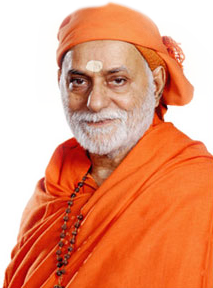
- by Swami Bhoomananda Tirtha


