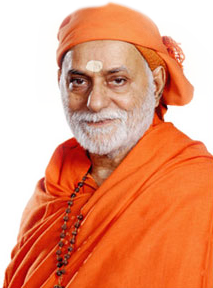




“The paths leading man to god or Truth are said to be many. I will speak only of the shortest. It is to recognize God as the Self in you and then to find Him out. What is the distance then between you and God, between you and yourself? Ah, there is no distance at all, a full Zero! Yet, how dare you say to find God and Truth is hard?’’ 

The Guiding force of Narayanashrama Tapovanam & Center for Inner Resources Development

Swami Bhoomananda Tirtha

swamiji
swamiji-header-mo
Menu


<< Chapter 10 Verse 21 to 40 >>
<   >

आदित्यानामहं विष्णुर्ज्योतिषां रविरंशुमान् ।
मरीचिर्मरुतामस्मि नक्षत्राणामहं शशी ।। १०.२१ ।।
वेदानां सामवेदोऽस्मि देवानामस्मि वासवः ।
इन्द्रियाणां मनश्चास्मि भूतानामस्मि चेतना ।। १०.२२ ।।
रुद्राणां शङ्करश्चास्मि वित्तेशो यक्षरक्षसाम् ।
वसूनां पावकश्चास्मि मेरुः शिखरिणामहम् ।। १०.२३ ।।
पुरोधसां च मुख्यं मां विद्धि पार्थ बृहस्पतिम् ।
सेनानीनामहं स्कन्दः सरसामस्मि सागरः ।। १०.२४ ।।
महर्षीणां भृगुरहं गिरामस्म्येकमक्षरम् ।
यज्ञानां जपयज्ञोऽस्मि स्थावराणां हिमालयः ।। १०.२५ ।।
अश्वत्थ सर्ववृक्षाणां देवर्षीणां च नारदः ।
गन्धर्वाणां चित्ररथः सिद्धानां कपिलो मुनिः ।। १०.२६ ।।
उच्छैःश्रवसमश्वानां विद्धि माममृतोद्भवम् ।
ऐरावतं गजेन्द्राणां नराणां च नराधिपम् ।। १०.२७ ।।
आयुधानामहं वज्रं धेनूनामस्मि कामधुक् ।
प्रजनश्चास्मि कन्दर्पः सर्पाणामस्मि वासुकिः ।। १०.२८ ।।
अनन्तश्चास्मि नागानां वरुणो यादसामहम् ।
पितृणामर्यमा चास्मि यमः संयमतामहम् ।। १०.२९ ।।
प्रह्लादश्चास्मि दैत्यानां कालः कलयतामहम् ।
मृगाणां च मृगेन्द्रोऽहं वैनतेयश्च पक्षिणाम् ।। १०.३० ।।
पवनः पवतामस्मि रामः शस्त्रभृतामहम् ।
झषाणां मकरश्चास्मि स्त्रोतसामस्मि जाह्नवी ।। १०.३१ ।।
सर्गाणामादिरन्तश्च मध्यं चैवाहमर्जुन ।
अध्यात्मविद्या विद्यानां वादः प्रवदतामहम् ।। १०.३२ ।।
अक्षराणामकारोऽस्मि द्वन्द्वः सामासिकस्य च ।
अहमेवाक्षयः कालो धाताहं विश्वतोमुखः ।। १०.३३ ।।
मृत्युः सर्वहरश्चाहमुद्भवश्च भविष्यताम् ।
कीर्तिः श्रीर्वाक्च नारीणां स्मृतिर्मेधा धृतिः क्षमा ।। १०.३४ ।।
बृहत्साम तथा साम्नां गायत्री धन्दसामहम् ।
मासानां मार्गशीर्षोऽहमृतूनां कुसुमाकरः ।। १०.३५ ।।
द्यूतं छलयतामस्मि तेजस्तेजस्विनामहम् ।
जयोऽस्मि व्यवसायोऽस्मि सत्त्वं सत्त्ववतामहम् ।। १०.३६ ।।
वृष्णीनां वासुदेवोऽस्मि पाण्डवानां धनञ्जयः ।
मुनीनामप्यहं व्यासः कवीनामुशना कविः ।। १०.३७ ।।
दण्डो दमयतामस्मि नीतिरस्मि जिगीषताम् ।
मौनं चैवास्मि गुह्यानां ज्ञानं ज्ञानवतामहम् ।। १०.३८ ।।
यच्चापि सर्वभूतानां बीजं तदहमर्जुन ।
न तदस्ति विना यत्स्यान्मया भूतं चराचरम् ।। १०.३९ ।।
नान्तोऽस्ति मम दिव्यानां विभूतीनां परन्तप ।
एष तूद्देशतः प्रोक्तो विभूतेर्विस्तरो मया ।। १०.४० ।।

ādityānām-ahaṁ viṣṇur-jyotiṣāṁ ravir-aṁśumān |
marīcir-marutām-asmi nakṣatrāṇām-ahaṁ śaśī || 10.21 ||
vedānāṁ sāma-vedo’smi devānām-asmi vāsavaḥ |
indriyāṇāṁ manaś-cāsmi bhūtānām-asmi cetanā || 10.22 ||
rudrāṇāṁ śaṅkaraś-cāsmi vitteśo yakṣa-rakṣasām |
vasūnāṁ pāvakaś-cāsmi meruḥ śikhariṇām aham || 10.23 ||
purodhasāṁ ca mukhyaṁ māṁ viddhi pārtha bṛhaspatim |
senānīnām-ahaṁ skandaḥ sarasām-asmi sāgaraḥ || 10.24 ||
maharṣīṇāṁ bhṛgur-ahaṁ girām-asmy-ekam-akṣaram |
yajñānāṁ japa-yajño’smi sthāvarāṇāṁ himālayaḥ || 10.25 ||
aśvatthaḥ sarva-vṛkṣāṇāṁ devarṣīṇāṁ ca nāradaḥ |
gandharvāṇāṁ citrarathaḥ siddhānāṁ kapilo muniḥ || 10.26 ||
uccaiḥśravasam-aśvānāṁ viddhi mām-amṛtodbhavam |
airāvataṁ gajendrāṇāṁ narāṇāṁ ca narādhipam || 10.27 ||
āyudhānām-ahaṁ vajraṁ dhenūnām-asmi kāma-dhuk |
prajanaś-cāsmi kandarpaḥ sarpāṇām-asmi vāsukiḥ || 10.28 ||
anantaś-cāsmi nāgānāṁ varuṇo yādasām-aham |
pitṝṇām-aryamā cāsmi yamaḥ saṁyamatām-aham || 10.29 ||
prahlādaś-cāsmi daityānāṁ kālaḥ kalayatām-aham |
mṛgāṇāṁ ca mṛgendro’haṁ vainateyaś-ca pakṣiṇām || 10.30 ||
pavanaḥ pavatām-asmi rāmaḥ śastra-bhṛtām-aham |
jhaṣāṇāṁ makaraś-cāsmi strotasām-asmi jāhnavī || 10.31 ||
sargāṇām-ādir-antaś-ca madhyaṁ caivāham-arjuna |
adhyātma-vidyā vidyānāṁ vādaḥ pravadatām-aham || 10.32 ||
akṣarāṇām-a-kāro’smi dvandvaḥ sāmāsikasya ca |
aham-evākṣayaḥ kālo dhātāhaṁ viśvato-mukhaḥ || 10.33 ||
mṛtyuḥ sarva-haraś-cāham-udbhavaś-ca bhaviṣyatām |
kīrtiḥ śrīr-vāk-ca nārīṇāṁ smṛtir-medhā dhṛtiḥ kṣamā || 10.34 ||
bṛhat-sāma tathā sāmnāṁ gāyatrī chandasām-aham |
māsānāṁ mārga-śīrṣo’ham-ṛtūnāṁ kusumākaraḥ || 10.35 ||
dyūtaṁ chalayatām-asmi tejas-tejasvinām-aham |
jayo’smi vyavasāyo’smi sattvaṁ sattvavatām-aham || 10.36 ||
vṛṣṇīnāṁ vāsudevo’smi pāṇḍavānāṁ dhanañ-jayaḥ |
munīnām-apy-ahaṁ vyāsaḥ kavīnām-uśanā kaviḥ || 10.37 ||
daṇḍo damayatām-asmi nītir-asmi jigīṣatām |
maunaṁ caivāsmi guhyānāṁ jñānaṁ jñānavatām-aham || 10.38 ||
yac-cāpi sarva-bhūtānāṁ bījaṁ tad-aham-arjuna |
na tad-asti vinā yat-syān-mayā bhūtaṁ carācaram || 10.39 ||
nānto’sti mama divyānāṁ vibhūtīnāṁ paran-tapa |
eṣa tūddeśataḥ prokto vibhūter-vistaro mayā || 10.40 ||

  Audio-BG-10.25-part2
Audio-BG-10.32-part2
 

Krishna focuses on the visible, invisible, factual, terrestrial as well as mythical creations. Citing Vishnu among all Adityas, for the mythological relevance these hold in the minds of people, he speaks of the Sun, which is the foundation of our life and activities. In the daily sandhya worship laid down by the Vedas, Sun has its special place and esteem. Krishna lists Gayatri as the most prominent of Vedic hymns.

Among the immortal Vedas, he cites Sama Veda in particular, the main statement (maha-vakya) of which, tat-tvam-asi (That Thou Art), reveals that the life-element, the jiva, is itself the supreme Reality. This is the only way the knowledge of the Supreme can be conveyed and imparted to the seeker.

He emphasizes how the mind has its unique prominence, and is fundamental to all sensory organs. He explains how in all embodied forms, awareness is the most important factor, causal and effectual. But every one is either deluded or overpowered by the body, though it is but a creation of cetana, Consciousness.

Krishna’s list covers the conceptual as well as the earthly entities. He asks Arjuna to see the Supreme in Sankara, Kubera, Brhaspati, Skanda, Bhrgu, Agni, Ocean and its salinity. Om, he says, is the most prominent among letters and sounds.

He asks Arjuna to see the Supreme in the holy Asvattha tree, and mentions Uccaisravas (the divine horse), Airavata (the divine elephant), Kamadhenu (the divine cow) as glorious manifestations of divinity, adding that even inanimate events like thunderbolt should kindle the remembrance of the Divine in the devotional mind.

Krishna does not stop at this level but proceeds to include even sensual and sensory perceptions in the list of divine manifestations. Hence he describes the Supreme to be the source of passion, inciting reproduction that perpetuates the race (prajanascasmi kandarpah). The supreme Reality alone is the source, sustenance and dissolution at any time, anywhere, for all. Of all knowledge, spirituality is the most prominent (adhyatma-vidya vidyanam). Among the yajnas he holds japa-yajna as the most sublime.

It is significant that Krishna includes the vices too in his list of prominent attributes of Divinity, thus bringing forth the magnanimity of Hindu dharma. In gambling, the loaded dice is seen as the special expression of Divinity. Silence he lists as the most prominent of secrets. Wisdom of the wise is also the Supreme’s special expression.

FacebookMySpaceTwitterStumbleuponLinkedin
Pin It