




 Recent Event Reports
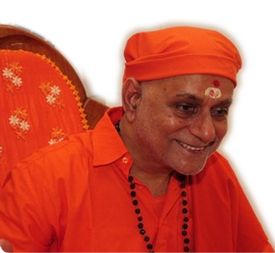


Sublimity and Supremacy of the Upanishads. Dear and blessed Seekers, HARIH OM TAT SAT. The Upanishad is the first and the last word on Hinduism. The entire Vedas exist for and after the Upanishads. When the Vedic mind, impelled first by apprehensions, rambled with hymns, which were before long intensified by protracted ceremonies, it was in fact trying to pose with maturity and composure to take to contemplation steadily, with more meaning and purpose. Thanks to its earnestness, very soon it could withdraw from all external involvements and dependence and dive within itself, to be embraced by the great Spirit, which Vedic thinkers first called the Self to find it soon as Brahman, the Supreme Reality. Self thus became one great word, which replaced all gods and transcended all abodes, including Prajaapati's. An amazing deal of diversity and ramification, it is true, can be found in Hindu religious and spiritual life and practices, in which yoga and philosophy also feature significantly. But know that all these will dissolve beautifully, to be crowned with a glory that is immortal and esctatic. The Seers and Sages unequivocally declared from time immemorial that the supreme attainment for man is treasured by his own Self; the infallible abode for him is nowhere than within his own heart. Study if you so wish, enquire if that be your flair, be austere if you so will, take to ceremonies if the discipline enthuses, but leave and transcend you must all these, to trace out the one source of all emergences and instigations in your own Self; to find rest and fulfillment there and there alone. Upanishads often bring to us the additional factor of testimony in their dissertation, as you find here in Kathopanishad. Vajasravas sends his son rashly to Yama (God of Death), whom the young boy compels to disclose the mystery of death with clarity and authority. Yama's initial reluctance and subsequent delight in the task are exemplary. The Vedic thinkers climax the speculative thoughts of the hymns with forthright search and findings of the Upanishads. Hindu life and practices are thus always a transition from sublimity of imagination to the powerfulness of realization. The pilgrimage is verily inner. Whether in Bhagavad Gita of Vyasadeva or Yogavasishta of Sage Valmiki. the contents are no other than a bare or colourful elaboralion of the Upanishadic truths, findings and exhortations. Young Nachiketas's sincerity, boldness with which he expressed it and the faithfulness which dawned in his heart when ordered by his father to meet Yama, the tenacity with which he held lo his quest even before the God of Dealh, are the more vital and immortal gifls of the dialogue. Kathopanishad is at once religion, philosophy and spirituality, and equally so morality and ethics, all blended so well as to be imbibed by any one in any situation. May our society and all the people of the world imbibe this spirit variously to enrich themselves. strengthen their families and benefit the world al large. HARIH OM TAT SAT October 1987. -Swamiji ।। १ ।। अन्यत्र धर्मादन्यत्राधर्मा- दन्यत्रास्मात् कृताकृतात् ।
अन्यत्र भूताच्च भव्याच्च यत्पश्यसि तद्वद ।।
anyatra dharmād anyatra ādharmad - anyatra asmāt kṛtākṛtāt ।
anyatra bhūtācca bhavyācca yatpaśyasi tad vada ।।
If you know of something besides both dharma and adharma, which is equally beyond cause and effect and likewie transcending both past and future, tell me that.
।। २ ।।
न जायते म्रियते वा विपश्चि -
न्नायं कुतश्चिन्न बभूव कश्चित् -
अजो नित्य: शाश्वतोऽयं पुराणो
न हन्यते हन्यमाने शरीरे ।
na jāyate mriyate vā vipashchit
nāyaṁ kutashchinna babhūva kashchit ajo nitya: shāshvataḥ ayaṁ purāṇo na hanyate hanyamāne sharIre । ।। ३ ।।
अणोरणीयान् महतो महीया-
नात्मास्य जन्तोर्निहितो गुहायाम् ।
तमक्रतु: पश्यति वीतशोको
धातुप्रसादान्महिमानमात्मन: ।।
aṇoraṇIyān mahato mahīyān-
ātmāsya jantornihito guhāyām । tamakratu: pashyati vītashoko dhātuprasādāt mahimānamātmana: ।। Though smaller than the smallest and greater than the greatest, it is safely seated in the heart of all creatures. On shedding desires when one transcends grief, he perceives the magnficence of the Soul through the sublimity of the serses and the mind.
।। ४ ।।
नायमात्मा प्रवचनेन लभ्यो न मेधया न बहुना श्रुतेन ।
यमेवैष वृणुते तेन लभ्यस्तस्तैष आत्मा विवृणुते तनुं स्वाम् ।।
nāyamātmā pravachanena labhyo na medhayā na bahunā ṣrutena ।
yamevaiṣha vṛuṇute tena labhyaḥ tastaiṣha ātmā vivṛiṇute tanuṁ svām ।। Thls Ātma cannot be gained through the skill of elouence, nor again by this power of intellect or mere leaming. Whoever yearns for Him and chooses Him exclusively, to such a one his Self reveals its pristineness and brilliance.
।। ५ ।।
एष सर्वेषु भुतेषु गुढोऽऽत्मा न प्रकाशते ।
दृश्यते त्वग्रया बुद्धया सूक्ष्मया सूक्ष्मदर्शिभि: ।।
eṣa sarveṣu bhuteṣu guḍhoḥ ātmā na prakāśate । Though safely present in all beings, the Atma does not easily shine to all. By these alone, who have developed subtlety in vision, the Self is apprehended with the aid of sharpened intelligence. ।। ६ ।।
मनसैवेदमाप्तव्यं नेह नानास्ति किञ्चन ।
मृत्यो: स मृत्युं गच्छति य इह नानेव पश्यति ।।
manasaivedamāptavyaṁ neha nānāsti kinchana । That there is no plurality here is a truth to be perceived by the strength of pure mind. 0ne perceiving plurality here will rnigrate from death to death. ।। ७ ।।
यथोदकं शुद्धे शुद्धमासिक्तं तादृगेव भवति ।
एवं मुनेर्विजानत आत्मा भवति गैातम ।।
yathodakaṁ shuddhe shuddhamāsiktaṁ tādṛigeva bhavati । What happens when pure water is poured inlo pure water, the same transpires to the Soul of the Knower - Sameness prevails. ।। ८ ।।
सुर्यो यथा सर्वलोकस्य चक्षुर्न लिप्यते चाक्षुषैर्बाह्यदोषै: ।
एकस्तथा सर्वभूतान्तरात्मा न लिप्यते लोकदु:खेन बाह्य: ।।
suryo yathā sarvalokasya chakṣurna lipyate chākṣuṣairbāhyadoṣai: ।ekastathā sarvabhūtāntarātmā na lipyate lokaduḥkhena bāhyaḥ ।। Though lighting up all objects of lhe world, the sun is not alfected by the defects of the people's eyes. Likewise the single Soul abiding in all beings is not alfected by the extetnal sufferings of the world.
।। ९ ।।
एको वशी सर्वभूतान्तरात्मा एकं रूपं बहुधा य: करोति ।
तमात्मस्थं येऽनुपश्यति धीरास्तेषां सुखं शाश्वतं नेतरेषाम् ।।
eko vaśī sarvabhūtāntarātmā ekaṁ rūpaṁ bahudhā yaḥ karoti ।tamātmastham yena anupaśyati dhīrāḥ teṣām sukhaṁ śāṣvataṁ netareṣāṃ ।। The single ruler residing in all beings as the Self, He makes His single form manifold. Who sees Him as seated in their heart, for them alone is ceaseless happiness; none else.
।। १० ।।
अस्तीत्येवोपलब्धव्यस्तत्वभावेन चोभयो: ।
अस्तीत्येवोपलब्धस्य तत्वभाव: प्रसीदति ।।
astītyevopalabdhavyaḥ tatvabhāvena cobhayoḥ ।astiityevopalabdhasya tatvabhāvaḥ prasīdati ।। Of the two propositions (the Soul exists after death, and does not exist so) that it exists is truthful. Only to him who takes it as existing dawns the knowledge.
।। ११ ।।
यदा सर्वे प्रमुच्यन्ते कामा येऽस्य हृदि श्रिता: ।
अथ मर्त्योऽमृतो भवत्यत्र ब्रह्म समश्नुते ।।
yadā sarve pramucyante kāmā ye'sya hṛdi ṣritāḥ ।atha martyo'mṛto bhavatyatra brahma sama'śnute ।। When desires dwelling in the heart are left, the mortal becomes immortal. Right then here does he attain Brahman, the Supreme. ।। १२ ।।
यदा सर्वे प्रभिद्यन्ते हृदयस्येह ग्रन्थय: ।
अथ मर्त्योऽमृतो भवत्येतावद्धमनुशासनम् ।।
yadā sarve prabhidyante hṛdayasyeha granthayaḥ ।atha martyo'mṛto bhavatyetāvaddham anuśāsanaṃ ।। ॐ ब्रह्मविदाप्नोति परम् ।
Om Brahmavid āpnoti param ।
Harih Om Tat Sat
 Narayanashrama Tapovanam
Email :
|